![PortStrategy[GreenPort]](https://www.portstrategy.com/wp-content/uploads/2026/09/PortStrategyGreenPort.svg)




US west coast ports brace again for labour strikes
September marks the peak season for US West Coast ports, but looming labour strikes could severely impact container trade and supply chains going forward.
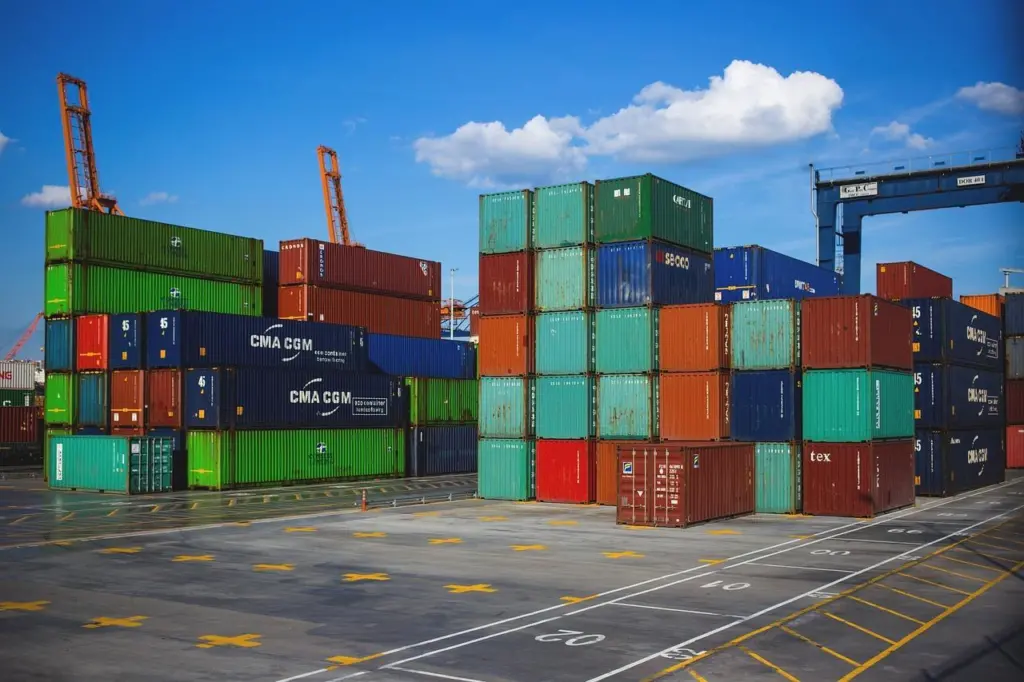
With the contract expiration of dockworkers on 1 October, the potential labour strikes, alongside tariff uncertainties and extreme weather events, are creating a volatile environment for global trade, according to Container xChange.
“The possibility of strikes at US west coast ports adds uncertainty for container shipping professionals, impacting container availability and equipment turnaround times,” said Christian Roeloffs, co-founder and CEO of Container xChange.
Looming threat
In August 2024, US container imports increased by 12.9% year-over-year, with major ports handling 2.5 million teu. But the threat of labour strikes, especially from the International Longshore and Warehouse Union (ILWU), poses a serious risk to container shipping, particularly if disruptions escalate.
These strikes could lead to backlogs and further delays, compounding existing issues. US west coast ports, already struggling with congestion, may experience increased waiting times, higher costs and equipment shortages.
Leasing companies could face a short-term spike in demand for containers as retailers rush to secure goods ahead of potential disruptions.
While inventories in the US are relatively strong, offering a buffer against immediate price spikes, prolonged strikes could strain supply chains.
The outcome largely depends on the duration of the strikes, with long-term impacts potentially causing significant bottlenecks in trade routes.
Mr Roeloffs said that importers and traders are advised to diversify their sourcing strategies to mitigate risks and navigate this challenging period effectively.
Related Articles
 EQUIPMENT
 OPERATIONS
 OPERATIONS