
A landmark ruling by the UK Supreme Court has made Scope 3 emissions legally mandatory in environmental impact assessments (EIAs), sending a clear message to the shipping and ports industry: ignoring downstream emissions is no longer an option.
The decision, made in the case of Finch v Surrey County Council, invalidated a fossil fuel project permit for failing to assess emissions from the end use of extracted fuel. Legal experts say this precedent will reshape infrastructure permitting, with ports now firmly in the legal and regulatory spotlight.

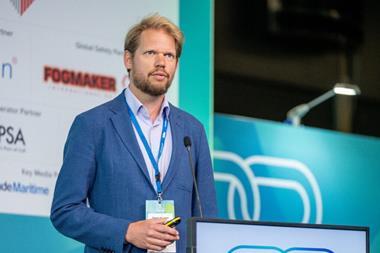
“Ports don’t operate in a vacuum,” said Sjoerd de Jager, managing director and co-founder of PortXchange.
“They are central to global supply chains and the emissions those chains produce. This ruling confirms what many of us have argued for years – if we want real decarbonisation, Scope 3 can’t be ignored.”
De Jager warns that many ports are still producing ESG reports that overlook emissions from visiting ships, port trucking and rail connections despite these typically making up the largest share of their carbon footprint.
With the European Commission reviewing its Fit for 55 climate package and expanding the EU ETS and MRV regulations to include vessel emissions at berth, the pressure on ports is mounting. Failing to measure Scope 3 emissions won’t just be a legal risk, it will become a commercial one.
“Scope 3 isn’t just about compliance, it’s about credibility, capital and competitiveness,” de Jager said. “Ports that fail to act now are going to find themselves locked out of the next wave of green growth.”