





Port of San Diego Promotes Water Conservation Strategies and Pollution Prevention
The Port of San Diego promotes sustainable water management on San Diego Bay Tidelands through a variety of initiatives, helping conserve one of California’s most valuable resources, says Alicia Glassco, Assistant Environmental Specialist at the Unified Port of San Diego.
Up to 80 percent of the San Diego region’s water is imported from the Colorado River and Northern California. The remaining water comes from local supply sources including groundwater, local surface water, and recycled water.
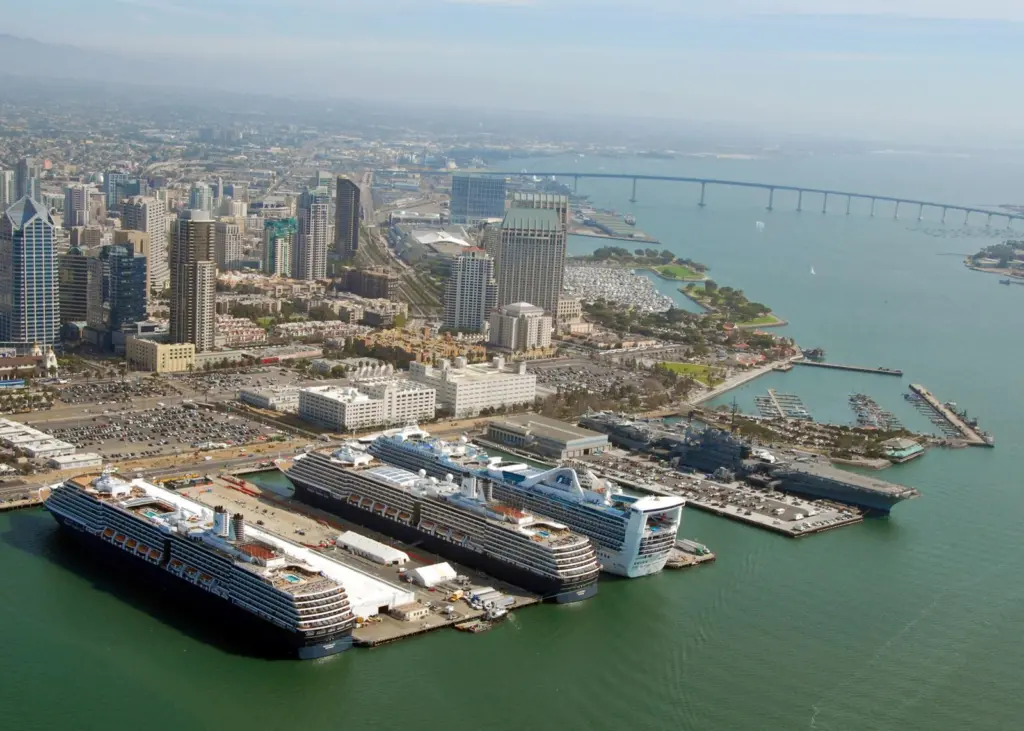
The Port of San Diego is the fourth largest of the 11 ports in the state of California. Since its creation in 1962, it has invested hundreds of millions of dollars in public improvements in its five member cities Chula Vista, Coronado, Imperial Beach, National City and San Diego. This Unified Port District administers approximately 5,900 acres of public lands along San Diego Bay. The port oversees two maritime cargo terminals, two cruise ship terminals, 18 public parks, the Harbour Police Department and the leases of hundreds of tenant and sub tenant businesses around San Diego Bay.
The Port of San Diego is an economic engine, an environmental steward of San Diego Bay and the surrounding tidelands, and a provider of community services and public safety. A Green Port Programme was developed by the Port of San Diego to support the goals of the Green Port Policy that was approved by the Board of Port Commissioners in 2008. The ultimate goal of the programme is to achieve long-term environmental, societal and economic benefits through resource conservation, waste reduction and pollution prevention.
By recognising current and potential water resource constraints, the port is demonstrating leadership in the sustainable use of water, and by recognising benefits in stormwater management at the same time. It does this by reducing its own water use, implementing best management practices, and initiating planning for a changing climate, which will bring increased water shortages. The port also encourages its tenants to conserve water through a formal outreach programme.
Water Conservation on Port Property
Through both new development and redesign, the port has been able to incorporate water-saving strategies into everyday operations. The Port Pavilion on San Diego’s Broadway Pier is a multi-use cruise ship passenger facility and public event space. Designed as the Port of San Diego’s first “green” building, this landmark structure serves as a critical public example of the Green Port Programme. In fact, the Port Pavilion was awarded Leadership in Energy and Environmental Design (LEED) Gold certification in 2011, making it the first LEED-certified cruise ship terminal in the nation. This facility, along with other administration buildings, is equipped with water-efficient fixtures such as low-flow toilets and faucets which can reduce water use by 20% compared to older technologies.
Landscaped areas can require large amounts of water and may lead to overwatering practices, not to mention high maintenance costs. Since 2006, the port has systematically removed water-intensive grass turf – over 8.3 acres to date – and re-planted with water-wise landscaping. Water-wise landscape design incorporates native, drought tolerant, fire resistant, and pest resistant plants and utilises innovative watering techniques such as drip irrigation, restriction of sprinkler hours to evenings when evapotranspiration is low, weather monitoring systems, and remote control programmes. An additional benefit is the significant decrease in maintenance and supplies needed to maintain these areas. By implementing water conservation strategies, the port has reduced its water use from port operations to over 336 million litres – enough to fill 135 Olympic sized swimming pools.
Outreach to Tenants – the Green Business Network
The main way the port reaches its tenants about water conservation strategies is through an initiative of the Green Port Programme, called the Green Business Network. The first of its kind on the West Coast, this programme is an integrated energy efficiency and sustainability effort spearheaded by the Port of San Diego and San Diego Gas & Electric®, the local utility. The voluntary programme helps port of San Diego tenants to green their operations and track their successes, providing free resources, energy audits, one-on-one consulting, and monthly educational workshops to over 65 participating businesses.
The Green Business Network encourages management actions in six main categories of sustainability: waste management, air quality, sustainable development, energy efficiency, sustainable business practices, and water conservation. These efforts generate real cost savings, improved energy and water efficiency, informed employees, and enhanced environmental performance. An additional benefit to tenant businesses is the public recognition they receive through the website, marketing materials, and awards highlighting their environmental leadership.
Some major water conservation successes of port tenants in the Green Business Network include:
• A major hotel, the Sheraton Resort & Marina, installed a water recycling system in their laundry facility to reduce waste water and consumption by 70%
• The Coronado Ferry Landing retail area installed water saving fixtures during planned restroom remodelling
• A recreational boating marina, Humphrey’s Half Moon Marina, has virtually eliminated water hose leakage by replacing traditional water spigots with ball valve faucets and requiring all hoses to have nozzles.
Reducing Urban Runoff
Conserving potable water can also improve water quality. By encouraging sustainable building techniques such as water-wise landscaping, through permeable paving in parking lots, and by capturing rain water for irrigation, the port helps to prevent polluted runoff from directly draining into San Diego Bay. Reducing pollution impacts associated with urban and stormwater runoff is critical to preserving natural resources and the economic viability of the San Diego region.
The major inputs to San Diego Bay include two rivers, a number of creeks, and urban runoff from over 200 storm drain outlets. San Diego’s stormwater and sewer systems are separate, so urban runoff is not treated before it is discharged to the bay. Urban runoff may include pollutants such as trash, litter, sediment, petroleum products leaking from motor vehicles, heavy metals in the dust from motor vehicle brake pads and diesel exhaust, animal waste, or excess fertilisers and pesticides from upstream areas. These pollutants are typically released during storms, but can also be carried to the bay from excessive irrigation in residential and commercial areas.
The Port of San Diego regularly monitors bay water quality, along with the stormwater runoff from the surface of its industrial facilities. Port staff also inspects properties and tenants for implementation of stormwater best management practices, pollution prevention, and construction site management. Inspections include an interview of facility managers regarding landscape watering, power washing practices, maintenance of permeable pavement, and vegetated areas designed for stormwater capture. Oftentimes and with proper planning, best practices and infrastructure that reduce runoff and pollution will also reduce water bills.
Protecting the Future Today
The San Diego region’s changing climate is expected to affect San Diego Bay’s waterfront property, recreation opportunities, and wildlife habitat. Emphasising its role as an environmental steward, the Port of San Diego is working to develop a Climate Mitigation and Adaptation Plan (Climate Plan) to prepare for these impacts. The goal of the Climate Plan is to help the port identify, assess, and develop strategies that will reduce greenhouse gas emissions and address local vulnerabilities to climate change. The Climate Plan will be a critical tool for future planning and development of Port Tidelands and will include potential strategies pertaining to sea level rise, water reuse and conservation, energy demand, and beach erosion.
Through demonstrative and educational water stewardship efforts, the Port of San Diego establishes current leadership and visionary planning to emphasise its role as a Green Port.
Related Articles
 ALTERNATIVE FUELS GREENPORT
 OPERATIONS
 ALTERNATIVE FUELS GREENPORT