






PORTS: GREAT ENGINES OF GROWTH
COMMENT: Yes, this column’s name refers to a place up north, but, like many native New Yorkers, I spend time in the “Sixth Borough”- otherwise known as Florida, writes Barry Parker.
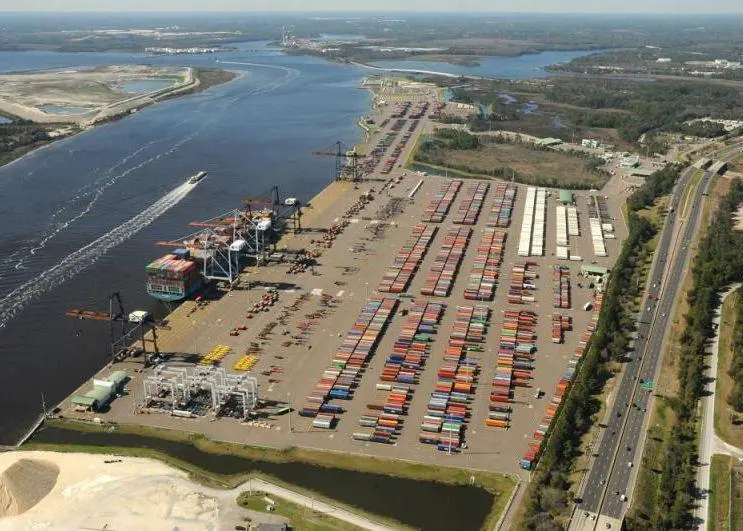
With much of the Sunshine State’s population not far from the Atlantic or the Gulf, seaports are not as invisible as they are up north. The dozen-plus ports in Florida, which are generally run by local entities, are facing attempts from the legislature in the state capital to assert state power to over-ride decisions made by governments at the local levels.
The folks in the legislature, concerned that one port, through local ordinances, wanted to restrict passenger traffic, authored a pair of bills that would bring about a measure of regulation from the state on matters related to which vessels could come in and which could not at ports across Florida.
After some wrangling in the state’s House and Senate, the scope of the bill was reduced down so that it would impact four ports. Commerce, and unimpeded flows of goods and people (if the pandemic ever ends) was at the heart of the argument from the bills’ sponsors. They argued that today it might be limits on numbers of cruise ship vacationers, but tomorrow it might be restrictions on imports of automobiles.
This scenario flies in the face of the economic reality that seaports are trying hard to generate revenue (that benefits their respective localities, and indirectly helps to fill state coffers) – and they try to do so in responsible ways.
Ports point out that peculiarities of particular cargoes do require a local approach, with examples being dangerous cargo prohibitions where a port is in a central part of town, or where certain industrial processing might impinge on drinking water quality, so therefore it is banned.
So now to the part about messaging and visibility. These may be clichés, but the ports are actually great engines of economic growth and jobs, and need to trumpet that to governmental officials, plus to the public at large.
This debacle in Florida (maybe that’s too strong a word, as the legislation may not make it through the various twists and turns in the State House) reinforces this need for ports to be pro-active in their narratives.
The legalities get a little tricky, with local, state and Federal laws needing to be balanced, yet my bottom line is that four ports still included in the latest versions of the bills are probably four ports too many.
Related Articles
 INSIGHT & OPINION
 INSIGHT & OPINION
 INSIGHT & OPINION