




Research backs LNG use in the Arctic
A study commissioned by WWF-Canada on the use marine fuel alternatives in the Canadian Arctic has found that the risks of using heavy fuel oil for shipping operations could be greatly reduced by switching to liquefied natural gas.
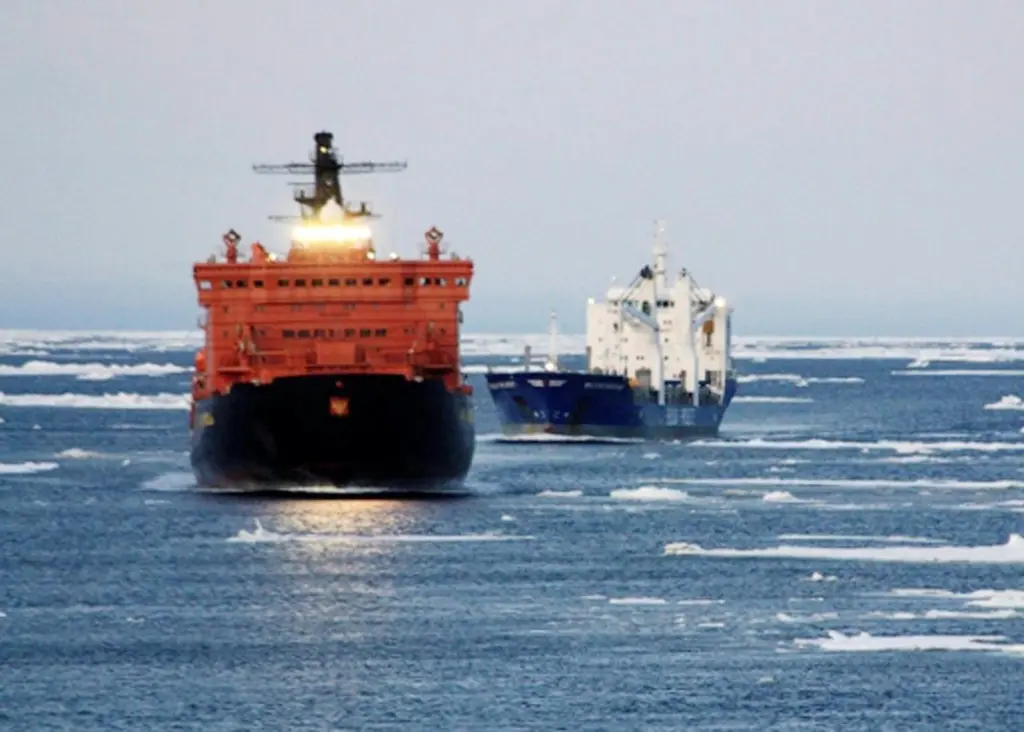
“Of all the marine fuel options, heavy fuel oil is the most polluting and will cause the most damage in the event of a spill,” said David Miller, President and CEO of WWF-Canada. “The Arctic environment is so fragile and unpredictable that we must do better.”
Fuel Alternatives for Arctic Shipping was commissioned by WWF-Canada and conducted by Canada’s leading ship design and marine engineering company, Vard Marine Inc.
The study assessed the environmental impacts of heavy fuel oil (HFO), diesel, and liquefied natural gas (LNG), and also compared ship design, fuel consumption, and the economic aspects of each marine fuel option.
It found that the use of LNG reduced pollutants by up to 9%. Greenhouse gas emissions were reduced by up to 25%. There was also a significant reduction in the risk of environmental damage from spills, as LNG dissipates into the atmosphere almost immediately. Moving to diesel fuel was also found to have environmental advantages, but to a lesser extent.
WWF said that LNG is the fuel of the future for new ships to meet regulatory requirements to reduce impacts on the environment.
It’s the organisation’s hope that the next edition of the Polar Code will include the phasing out and eventual ban of HFO-fueled ships in the Arctic.
The IMO has already banned the use and carriage of HFO in the Antarctic, and similarly, Norway has banned its use in select waters.
Related Articles
 ALTERNATIVE FUELS GREENPORT
 ALTERNATIVE FUELS GREENPORT
 ALTERNATIVE FUELS GREENPORT