




Terminal Operations – Page 54
-
 News
NewsJoining the security dots
Disjointed security solutions in European ports ultimately slow operations down, explains Alex Hughes
-
 News
NewsFocus and feedback
Benjamin Franklin may once have claimed that “well done is better than well said”, but good feedback will ensure that word spreads and the customer base widens.
-
 News
NewsHigh maintenance
Independent maintenance, repair and overhaul companies are making their mark, as John Bensalhia finds out
-
 News
NewsSwitching on to Salalah's savings
The Port of Salalah''s SWITCH programme aims to reduce the port’s carbon offset by 25% by 2014 and as part of the project the port has launched 17 ongoing initiatives to reduce carbon emissions and waste over the last three years.
-
 News
NewsReducing run-off
Reducing the environmental import of port development can actually save money.
-
 News
NewsSolid numbers for an ephemeral threat
Some ports might be tempted to characterise cybercrime as an unseen threat, absorbing unlimited costs to fix, with an unquantifiable result.
-
 News
NewsA soft target
Ports increasingly need to focus on cyber as well as physical security needs reports Stevie Knight
-
 News
NewsTime is money
When it comes to box scanning, although many ports aren’t too fussed by a few minutes wait, some need to consider their ‘peak’ traffic volumes, not just the average flow.
-
 News
NewsNeedles in haystacks
Terminal operators needs to be kept in the loop on scanning decisions, finds Stevie Knight
-
 News
NewsTake a deep breath
The quality of the air in Hong Kong is regularly in the news, and the levels of air pollution in the City are at times dangerous. Power generation was once Hong Kong''s biggest polluter, but with plant emissions legislation now regulating this industry, the focus has shifted to maritime pollution.
-
 News
NewsThe air we breathe
HFW''s George Lamplough welcomes Hong Kong''s proposals to legislate burning of high sulphur fuels in port
-
 News
NewsPortland pays more than lip service to green goals
The Port of Portland has been recognised by the US Environmental Protection Agency as one of its top green power purchasers. The port is purchasing more than 75 million kilowatt hours (kWh) of green power annually, which is enough to meet 106% of the organisation''s electricity use.
-
 News
NewsThe law of unintended consequences
Roman Poersch of Wilhelm Borchert argues that over and above the regulations, “the law of unintended consequences” means that some environmental port initiatives could have a life of their own.
-
 News
NewsGetting green onside
Stevie Knight looks at the environmental issues of the US race to deeper ports
-
 News
NewsPorts partner up to provide LNG
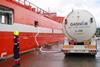
An ‘LNG Fuelled Vessels Working Group’ has been set up under the auspices of the International Association of Ports and Harbour’s (IAPH) World Ports Climate Initiative (WPCI), in a bid to develop guidelines on safe procedures for LNG bunkering operations.
-
 News
NewsMaking use of surplus green power
HHLA Container Terminal Altenwerder, a subsidiary of the Hamburger Hafen und Logistik AG (HHLA), is investigating how the batteries of its automated guided vehicles (AGVs) can be charged at the same time as taking advantage of any surplus green power supplies.
-
News
Handing over the security baton
One of the most notable trends in recent years is that port operators are now outsourcing security to third parties.
-
 News
NewsDeciphering the code
As ISPS approaches its 10th anniversary, John Bensalhia asks if ports have used it to their advantage
-
News
Sophistication and standards
In terms of port development, Africa is still the least sophisticated region, with only South Africa keeping up with the latest moves.
-
News
Need for vigilance
A secure port is a good way to get more business, as Martin Rushmere explains

