


UK ports address terror threat
In the wake of the recent terror attacks which have taken place in the UK, British ports need to remain vigilant.
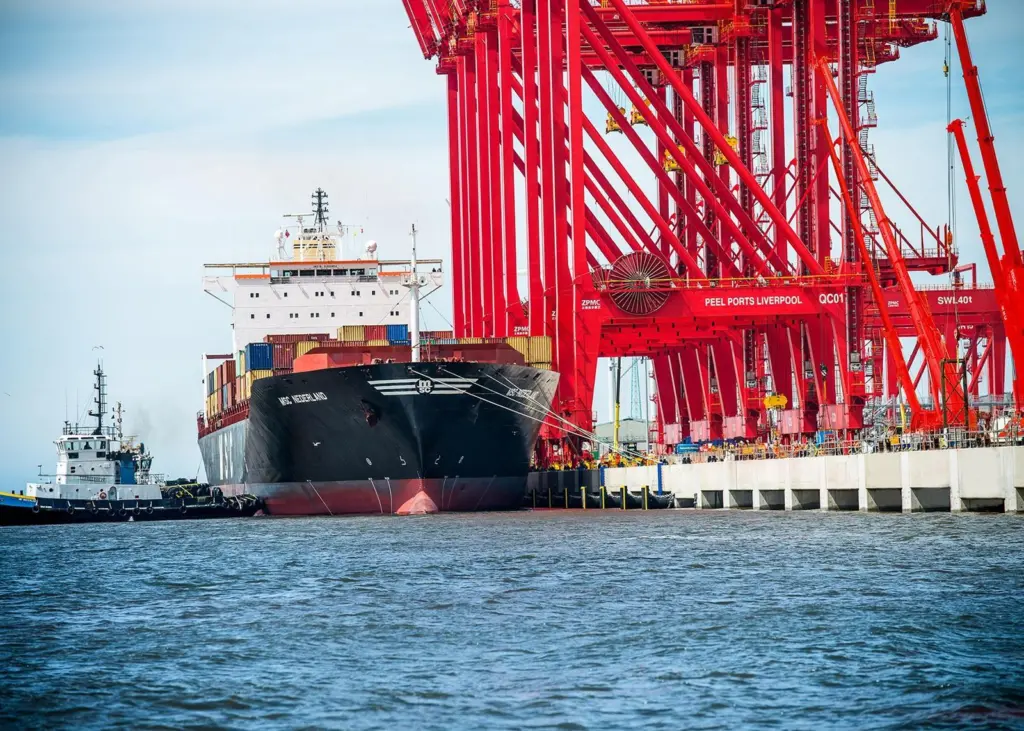
Currently, the threat risk to UK ports is to remain at its lowest possible level, despite the fact that the UK national security level is set to critical.
While there may not be any immediate danger, previous intelligence reports have revealed potential plots to attach explosives to the side of vessels carrying millions of tonnes of liquid natural gas from the Middle East into UK ports.
The Mail on Sunday said that secret searches have taken place in docks around the world over the last two years in an effort to prevent a horrific explosion which would have a disastrous impact on UK ports.
Maritime security or ‘marsec’ levels under the internationally agreed International Ship and Port Facility Security (ISPS) Code are set by security specialists at the Department for Transport.
“The ports industry has a positive relationship with Government and continues to work closely with officials on security matters. The Department for Transport (DfT) has kept the industry regularly briefed in recent months but the nature of this work is sensitive so it’s not something we share with the public for obvious reasons,” Mark Simmonds, policy manager British Ports Association, told PS.
A DfT spokesperson told PS: “We keep maritime security under constant review but for obvious reasons we do not comment on specific security procedures at individual ports.”
It did not respond to the question of whether the maritime security level will be heightened in the near future as a precaution.
ISPS provides for three levels of precautions: level one applies in normal times; level two mandates heightened security; and level three applies in emergencies, in which there is a probable or imminent risk of an incident.
At level three, the state has full security powers and may decide to send in police, intelligence personnel, bomb disposal experts and the armed forces.
Related Articles
 CONTAINER & CARGO HANDLING
 EXPANSION & DEVELOPMENT
 PORT & TERMINAL NEWS