


Major offshore wind role for UK ports
Ports will play a key part in new government plans to make the UK the world leader in clean wind energy as it works towards achieving net zero emissions by 2050.
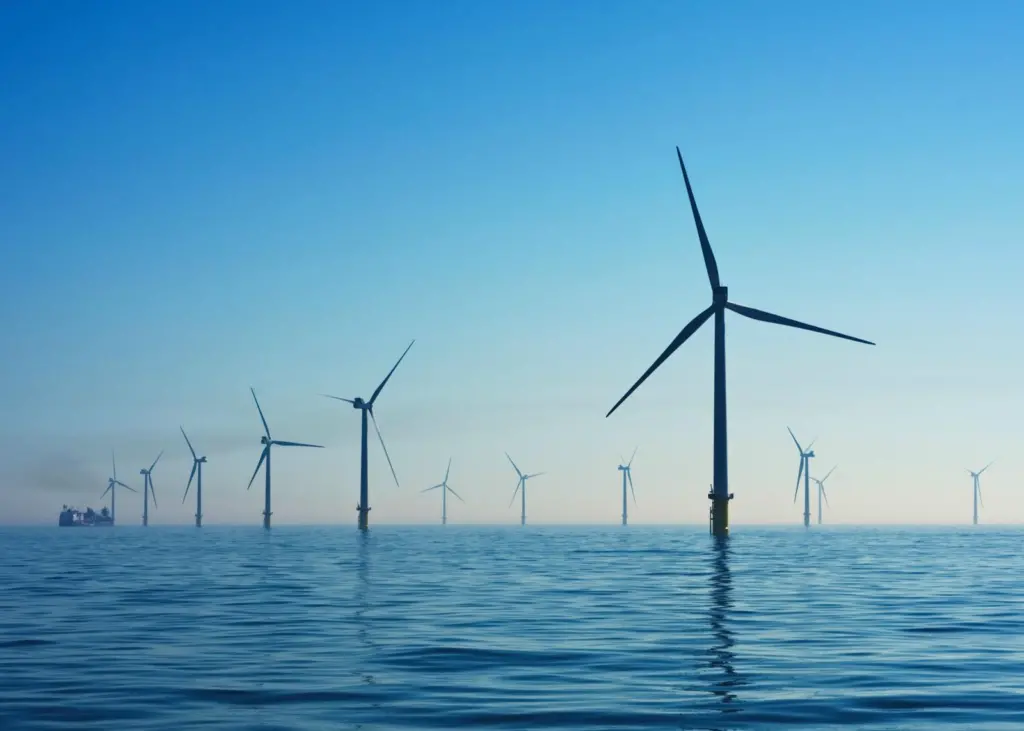
GB£160m will be made available to upgrade ports and infrastructure to hugely increase offshore wind capacity, which currently meets 10% of the UK’s electricity demand, said Prime Minister Boris Johnson. The government expects this investment will see around 2,000 construction jobs created and will enable the sector to support up to 60,000 jobs directly and indirectly by 2030 in ports, factories and supply chains, manufacturing offshore wind turbines.
Following the announcement, the British Ports Association (BPA) has called for enforced UK Content rules for offshore wind development to help realise the wider benefits.
UK could miss out
BPA chairman and chief executive of the Port of Blyth, Martin Lawlor, said that “the UK needs to focus further on delivering more UK content in new wind farm developments”.
He stressed: “Unless this becomes more mandatory, the UK may well lead the world in offshore wind development but sadly the benefits will continue to be enjoyed largely by our European neighbours and countries further afield.
“If we grasp this issue now we can attract more activity to the ports and regions of the UK.”
The government’s Offshore Wind Sector Deal, announced in March 2019, aims to increase UK content to 60% by 2030 covering everything from planning, manufacture, mobilisation, installation and skills development in the delivery of projects. The BPA said that to date key elements of this supply chain, particularly manufacturing, are largely undertaken in Europe.
Richard Ballantyne, chief executive of the BPA, said: “The UK ports provide the basis for offshore wind assembly, mobilisation, operation, and maintenance but there also possibilities for a greater role in the construction, manufacturing, engineering and training activities.”
Related Articles
 ALTERNATIVE FUELS GREENPORT
 ENERGY & TECHNOLOGY GREENPORT
 ENERGY & TECHNOLOGY GREENPORT