


North Sea growth
North Sea Port’s development as a European port is progressing with a new plan.
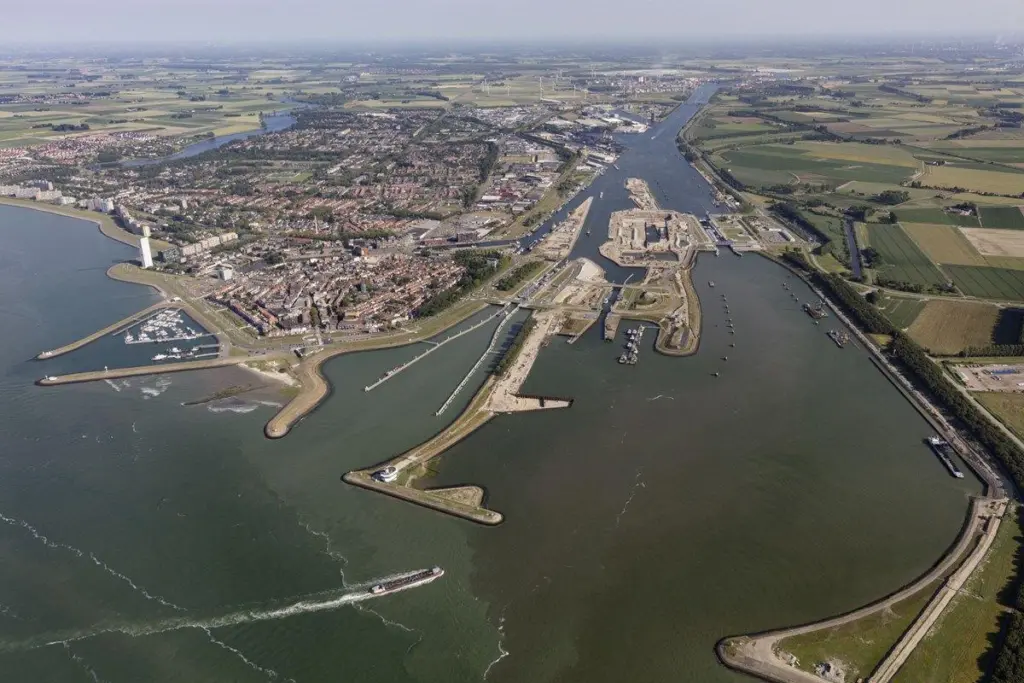
The North Sea Port Authority has received the unanimous support of its eight shareholders for its ‘Connect 2025’ strategic plan to ensure any development of the 2018-founded port must further the goals of economic development and employment, and sustainability and climate, plus have a sound financial foundation.
“With specific choices, support and ambitious goals, we want to achieve concrete results with social added value by acting as a connector towards 2025,” said Daan Schalck, CEO of North Sea Port. “We are developing 150 hectares for the circular economy, further expanding the reuse of CO2, continuing our growth as Western Europe’s leading hydrogen cluster, committing to enhanced electrification, making the logistics chain sustainable, building infrastructure in consultation with businesses and public authorities and striving to increase digitisation.”
Three core tasks
In order to achieve this, the Dutch-Flemish port authority is required to focus on its three core tasks: developing business sites and port infrastructure, providing nautical services and the role of director – connector – in the port area.
The port authority has adopted eight strategic programmes in order to continue the port’s development as a top European port. They are focused on investing in circular value chains, investing in energy projects; investing in climate; strong logistics chains; future-proof infrastructure; digitisation and data community; working with local stakeholders; and acting as the connector between cooperating parties.
In order to strengthen its market position, the port authority will be focusing on seven spearhead sectors: chemicals, steel, construction materials, energy, automotive, food and feed and value-added logistics.
North Sea Port was founded in January 2018 and is the result of a merger between the Dutch Zeeland Seaports (Vlissingen and Terneuzen) and the Flemish/Belgian port of Ghent.
Related Articles
 LEGAL, RISK & INSURANCE
 NEWS
NEWS
 PORT & TERMINAL NEWS