



COVID-19 TRIGGERED VULNERABILITIES SET TO RUN
Pent up demand with consumers continuing to spend their money on goods, together with oil, coal and gas shortages will ensure on-going pressures on the supply chain well into next year.
COVID-19 vaccinations may be reducing the number of people needing hospitalisation and dying but there is no let up yet in the Pandemic triggered pressures being placed on the supply chain and its ability to remain efficient and cohesive. Europe, North America, and parts of Asia are experiencing extreme pressure on delivery of goods for retailers and industry.
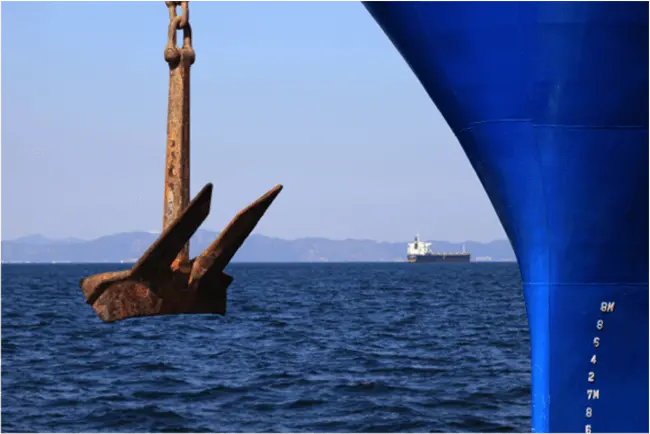
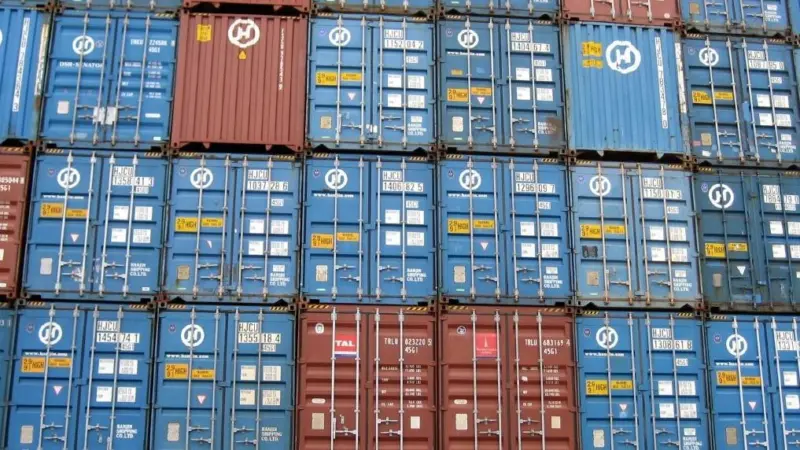
An estimated 15 to 20 per cent of container shipping capacity is riding at anchor waiting to get into ports or into drydock. Worst impacted are Chinese exports and North American imports. Increasing numbers of large retailers and producers, including Coca Cola, are resorting to chartering vessels to keep their production and sales going. We are also seeing newcomers providing services on the Transpacific trade as the three alliances are failing to cope with the situation.
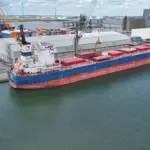
The impact on shipping is not limited just to the container sector. There is a spill-over to the bulk side as some bulkers are being used to haul formerly containerised goods, partly due to lack of empty boxes and available smaller TEU ships. The doldrum of coal shipments to China resulting from the political dispute with Australia has resulted in insufficient coal supplies to provide sufficient electricity for industrial plants and homes causing running shutdowns which is impacting exports. China is now allowing bulk coal carriers to discharge in a somewhat embarrassing volte face.
Surging demand for fuel oil and LNG as the global economy recovers has resulted in burgeoning price increases across the world, hitting Europe especially hard as it begins to suffer from shortages and inflationary pressures. Oil and gas output is increasing to meet demand putting pressure on shipping capacity in the short term.
The net result of these multiple pressures is certainly beneficial to vessel owners and carriers as freight rates are reaching record heights resulting in surging profitability in all shipping sectors.
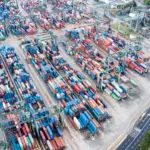
Terminal operators are struggling to keep up with the cargo throughput demands, made worse by the increasing number of larger vessels being employed which puts smaller ships at a disadvantage as they look for available quay space.
Looking forward, things are unlikely to improve quickly and the supply chain will continue to struggle well into 2022.
Related Articles
 LEGAL, RISK & INSURANCE
 NEWS
NEWS
 PORT & TERMINAL NEWS