


Training key to competitiveness
A diverse, multidisciplinary and well-trained workforce is key to ensuring ports remain competitive, according to a white paper recently released by AD Ports.
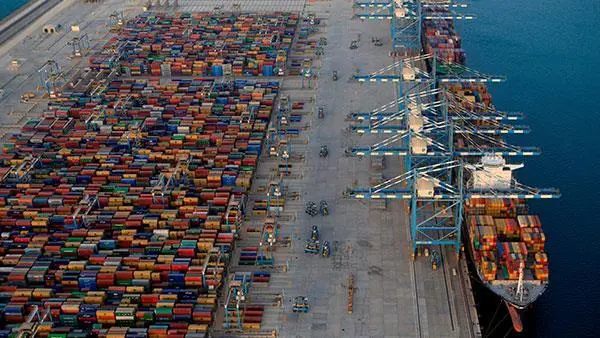
Shipping volumes are set to increase by around 1.3% annually between now and 2050 against a rapidly evolving backdrop of safety and security concerns, digitalisation and the need to decarbonise the industry.
“Building and training a future-ready talent pool of maritime professionals has been one of the biggest challenges in today’s global maritime industry,” said the white paper.
“The push to expand supply chains, improve security and drive the sustainability and digitalisation agenda is not only creating new jobs but also evolving existing ones in the industry, making them more attractive to younger generations.”
“This accentuates the importance of evolving maritime education and training to provide talented youth with the opportunity to develop the latest required skill sets.”
AD Ports surveyed global experts in the maritime training and employment sector to find out their views on how best to equip workers of the future.
Key areas of focus identified were a labour deficiency, particularly of younger workers; the need for project-based training to expose students to real-life scenarios; the importance of R&D and university and industry collaboration; gender diversity; and the green agenda and need to incorporate sustainability into education and business practices.
Related Articles
 LEGAL, RISK & INSURANCE
 NEWS
NEWS
 PORT & TERMINAL NEWS