![PortStrategy[GreenPort]](https://www.portstrategy.com/wp-content/uploads/2026/09/PortStrategyGreenPort.svg)





No easy win for Tauranga
The labour situation in New Zealand has gone from bad to worse: discontented port workers were about to enter their fourth month of strikes at Ports of Auckland as this issue went to press.
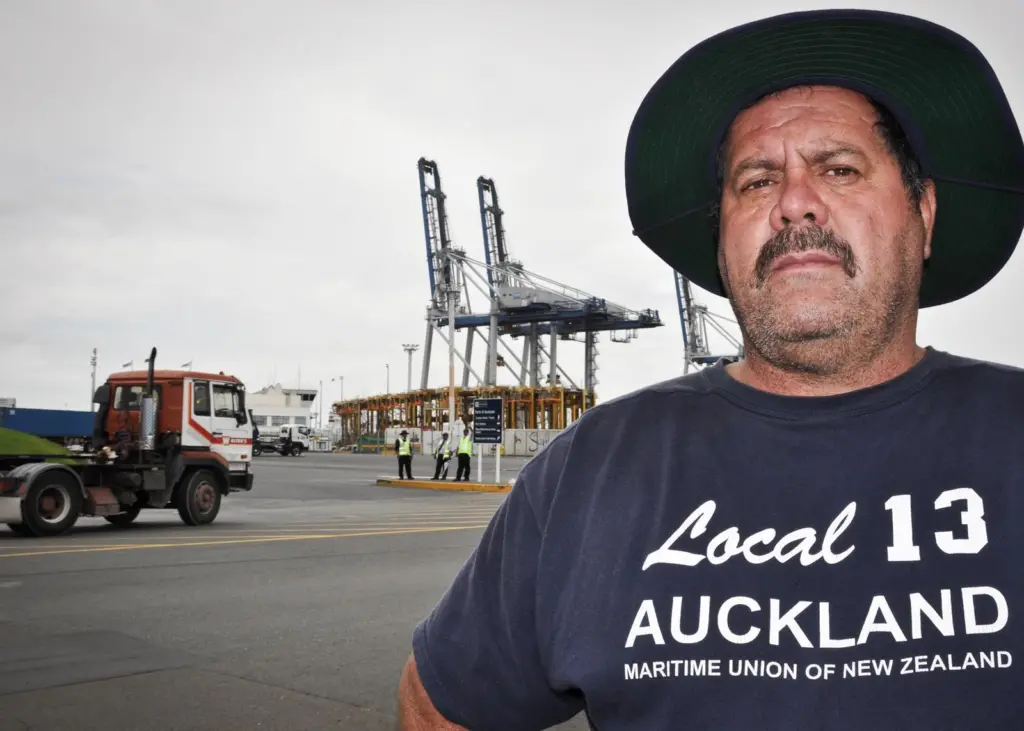
The deadlock is hitting the port hard, and despite a number of attempts, negotiations between unions and the port have so far come to nought.
POAL maintains that it needs to find a long-term sustainable solution to lift productivity and one which has the support of its customers. Unfortunately, that solution will certainly involve flexible working and sub-contractors – a huge union no-no.
The port’s sales and marketing general manager, Craig Sain spoke to Port Strategy of “mounting frustration” over the ongoing industrial disruptions, and of the need to make numerous operational contingencies that are “costly to all parties and affect cargo and container flows”.
POAL is also dismayed at the amount of time it is taking for the union to get to grips with the need for change; the port and its customers have been suffering losses since October 2011. Added to which, Mr Sain complains that the “well being of our staff is at risk”, as well as the company’s reputation.
This latter concern has already been brought to bear by the fact that Auckland has lost services to rival Tauranga because it cannot guarantee a sustainable level of service; but on the upside, one port’s loss is another’s gain. That said, it’s hard even here to see a silver lining, as what started as a welcome overflow has turned into an embarrassment of riches for Tauranga.
“We’re stretched,” Tauranga chief executive Mark Cairns has told local press. While he says the port has the facility to take on one or two extra ships, any that previously called at both ports will now only call at Tauranga and consequently load or unload a lot more cargo.
He makes the valid point that it Tauranga were able to mop up a 50% increase in volume questions would be, rightly, asked about why the port had that much extra capacity to spare.
So Tauranga, too, has to now play a clever game to ensure that it too doesn’t lose important clients due to over-capacity, stretched workers, stress on machinery, or a decline in normal service levels. What originally looked to be an unexpected boom may now appear daunting to Tauranga management.
A speedy resolution at Auckland could actually benefit both ports in the long run.
Related Articles
 OPERATIONS
 INSIGHT & OPINION