![PortStrategy[GreenPort]](https://www.portstrategy.com/wp-content/uploads/2026/09/PortStrategyGreenPort.svg)






Often fuel cell ingredients are already on dock
Introducing fuel cell technology is often easier than first thought; many industrial gas companies will provide and operate a hydrogen station on site and will make packaged hydrogen deliveries, points out Margery Ryan of Fuel Cell Today.
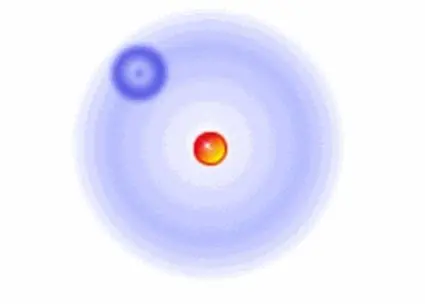
But it’s a fairly easy gas to gain – you can use on-site sources of power to get hydrogen out of the tap through the electrolysis of water.
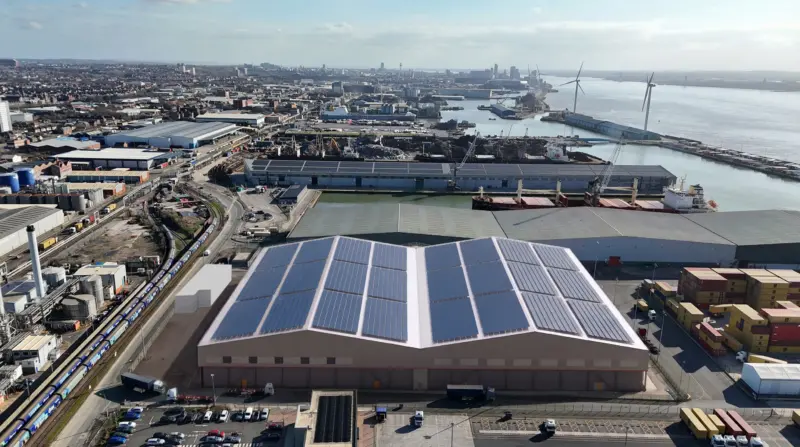
Further, it doesn’t take huge amounts of power, so those ports with wind turbine or solar panels could entirely ‘green’ their processes, because the fuel cells gives them a way to translate energy into a very useable form.
A number of electrolyser manufacturers may well be open to partnerships in setting up a refuelling station that you don’t have to own or install yourself, points out Jennifer Gangi of Fuel Cells 2000. While Clive Coker of CQ Consulting does say that at the moment cold ironing electricity from a fixed port-based fuel cell to a ship looks more expensive than electricity from the national grid, there may well be low cost sources of hydrogen, either by being subsidised by a ‘green’ grant or as a by-product.
So, a port might find there’s spare gas just waiting to be used. For example, Vuosaari is hoping to use industrial by-produced hydrogen to fuel its demonstration cells. “Quite common processes result in the gas, for example the chlor-alkali processes gives off hydrogen so ports with a plant nearby might benefit – although there may be a limited amount available,” adds Ms Ryan.
However, there’s another source now just coming online: liquefied natural gas. Happily, the big coincidence is that you can also gain hydrogen from the reforming of natural gas – and it’s a fairly simple matter. This means that those ports that are already thinking about LNG bunkering for the incoming ships will have a source of fuel right at hand for themselves. The reforming may be through an external modifier, or in certain cases can take place inside the cells themselves, points out Ms Ryan.
Although it has to be said that there is one carbon atom released for every four hydrogen atoms and an associated energy loss from the process, fuel cell electric vehicles still gain much more mileage after converting these other forms of gas to hydrogen than by simply burning the gas in a combustion engine, says Mr Warner, due to the inherent efficiency of the fuel cell, and emit only water vapour.
Further, there could be a green gain from alternatives. Ms Ryan adds: “Biomethanol, biogas, gasified biomass are also all viable fuels – nearby sewage treatment, for example, can be a source of fuel.”
Related Articles
 TERMINAL OPERATIONS
 TERMINAL OPERATIONS
 CONTAINER & CARGO HANDLING