![PortStrategy[GreenPort]](https://www.portstrategy.com/wp-content/uploads/2026/09/PortStrategyGreenPort.svg)






A summer slowdown
The difficulty of accurately predicting even short-term trade or port demand were clear this summer in the US where grain exporters, railroads, and terminal and barge operators saw all their expectations dashed in a matter of weeks.
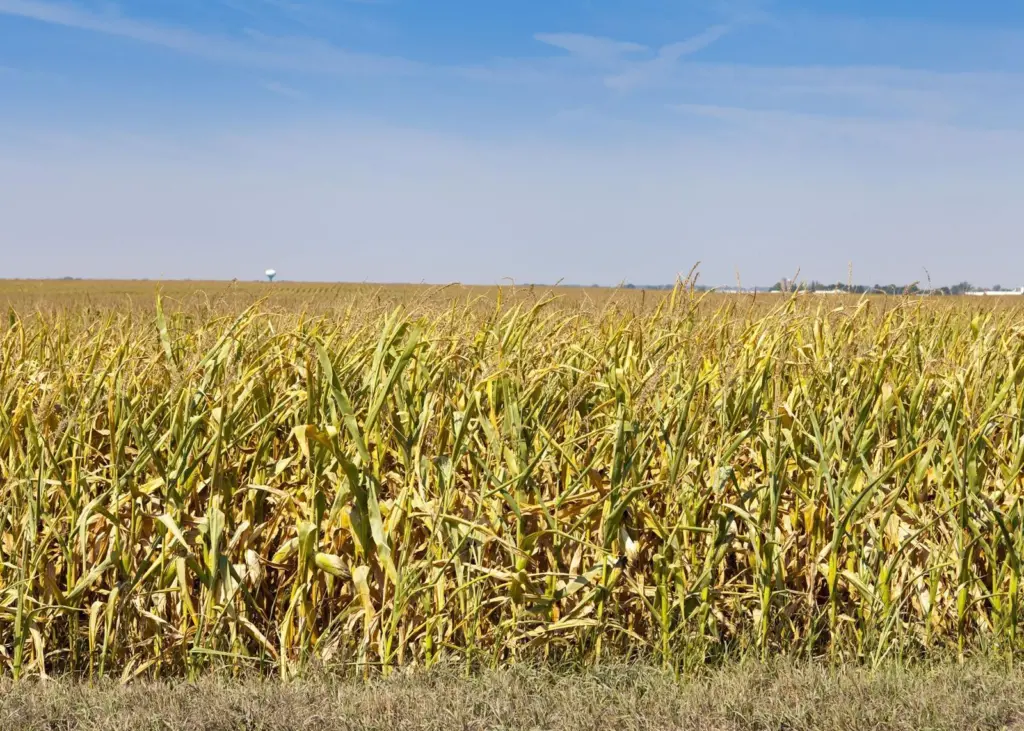
Back in June everybody in the supply chain had plenty of reasons to look forward to the extra business expected to accrue from a US grain and soybean crop that seemed certain to blow the production record books away. Indeed, with international demand high and US inventories adequate, exports of soybeans were confidently expected to reach a new high.
This huge harvest was to be funnelled out through ports in the Atlantic and Pacific North West which are usually reached by rail, and also through the Mississippi River System to ocean-going vessels in the US Gulf. Some analysts, this author included, even predicted that the surge in US agricultural cargoes could give bulk carrier rates a minor seasonal boost in the Atlantic Basin.
Within six weeks all of these forecasts had been turned literally to dust as the anticipated supply chain demand boost failed to appear as the weather turned its sun-scorched back on precipitation.
As Ken Eriksen, who heads the Transportation, Industrials and Energy services group at Informa Economics explains, the only record this year’s production set was the one for lost potential. Low snow melt earlier in the year was compounded by high temperatures and very low precipitation levels across large swathes of the Midwest and Central Plains States. The following drought saw most of the counties in the US declared agricultural disaster areas by the US Department of Agriculture (USDA) at some point during the year. Even as late as September USDA said some 55% of the nation’s pasture and rangeland was in poor to very poor condition.
Drought saw wide-scale crop failure or very low yields, while river levels on the Mississippi plummeted, hitting trade and commerce.
“The drought really wreaked havoc on crop potential and supplies,” says Mr Eriksen. “This year’s supply situation and the grain flows that developed were unlike any time previous. The drought hampered barge loading operations for a large part of the year, with loading at much lighter levels and with numerous interruptions.
“Last year the Mississippi River gauge at Memphis was nearly at a record high but by fall this year was pushing toward a record low – all within a span of less than 18 months!”
“This led to a drastic cut in production, crops and exports and there really wasn’t any historical precedent for it.”
Daniel Hackett, a partner at Hackett Associates, was also caught out by the rapid change in weather. He predicted a huge US harvest would see record soybean exports and give a seasonal bump to terminal handlers, barge operators and even parts of the bulker carrier ocean market. “The subsequent drought literally left me high and dry,” he says.
Related Articles
 CONTAINER & CARGO HANDLING
 CONTAINER & CARGO HANDLING
 BULK HANDLING