


Dramatic changes on horizon
The press in Europe, Asia and North America is full of reports that economic recovery has returned and that the recessionary path has been left behind.
This is based, in no small part, on Germany having a modicum of positive gross domestic product growth in the last quarter and the Eurozone finally having a quarter of positive growth after six quarters of decline. Mind you the positive growth is miniscule.
There are positive signs of growth elsewhere too. Besides Europe, the US second quarter 2013 GDP expanded at a solid 2.5% on its third reading and in China the manufacturing sector is picking up in response.
Based on the last five years and the changing sentiments of consumers, we can no longer expect trade growth to be at historical averages; instead we should plan for slower growth in single digits. This is true for all sectors of the maritime trade including bulk trades.
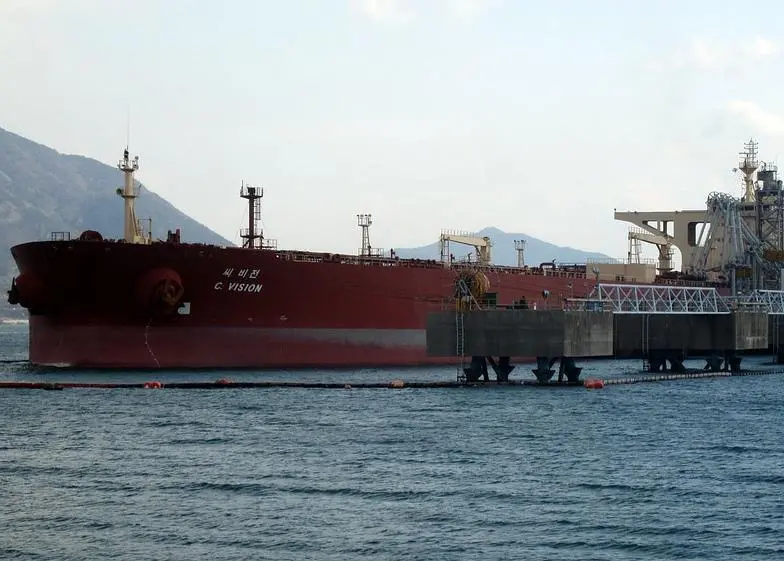
Crude oil, which was once king, is facing dramatic changes as the supply from the Middle East is struggling to find markets. The fracking in North America and opening of Federal lands for exploration is rapidly leading to self-sufficiency and the Chinese are separately looking for supply sources other than the Middle East, with emphasis on nearby sources. That explains the conflicts with Japan, Vietnam and the Philippines. Add to that new sources of crude offshore Brazil and Colombia and we can forecast a falling demand for the larger very large crude carriers and less long-haul routes.
The liquefied natural gas market is on the rise as nations look for cleaner alternatives. Again sourcing from domestic fields in Europe and the US is altering the long-haul prospective for this sector. LNG ships will get bigger as demand increases, particularly as countries such as Qatar play their full role supplying not only Asia but the West as well.
The major bulk markets however are unlikely to change their sourcing but we are seeing the move towards larger vessels for iron ore.
Added together, there will be dramatic changes in the vessels deployed and the routes on which they ply in the coming ten years and beyond.
Related Articles
 INSIGHT & OPINION
 INSIGHT & OPINION
 INSIGHT & OPINION