![PortStrategy[GreenPort]](https://www.portstrategy.com/wp-content/uploads/2026/09/PortStrategyGreenPort.svg)

Trump and Iran are re-shaping global economics
The global economy is probably facing its worst crisis in over 50 years, all down to one man. Ben Hackett
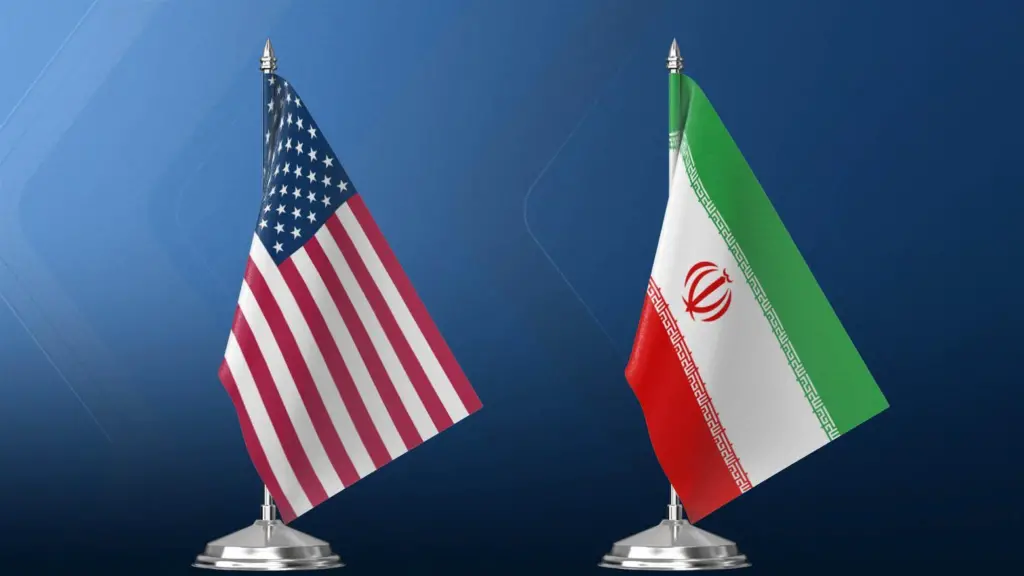
The last 15 months have reset international affairs and the structure of the global economy. The transformation has been rapid and unexpected. It has discarded decades-long rules of understanding and their underlying legal frameworks. This assault has not been for the good nor has it been successful, instead it has caused the US to lose the trust of the majority of the rest of the world and political and economic alliances have been assaulted and, in some cases, disbanded. The “Make America Great Again” (MAGA) movement is failing as the disassociation from the US may ultimately turn the leading world power that everyone had looked up to into an isolationist entity. It comes down to trust and the growing inability to rely on US agreements.
Ignoring the assault on the rule of law within the US and the judicial focus on personal revenge, the US tariffs “Liberation Day” a year ago set the ball rolling. The continuous shift in the tariff policy and use of tariffs as a political weapon have created havoc and are re-setting trading relationships that by-pass the US with growing numbers of major trade agreements by Europe and Canada with India, Latin America (MERCUSOR), Asean and the Transpacific trade partnership. The near constant attacks, many personal and on allies and foe alike, have caused countries to search for more dependable partners.
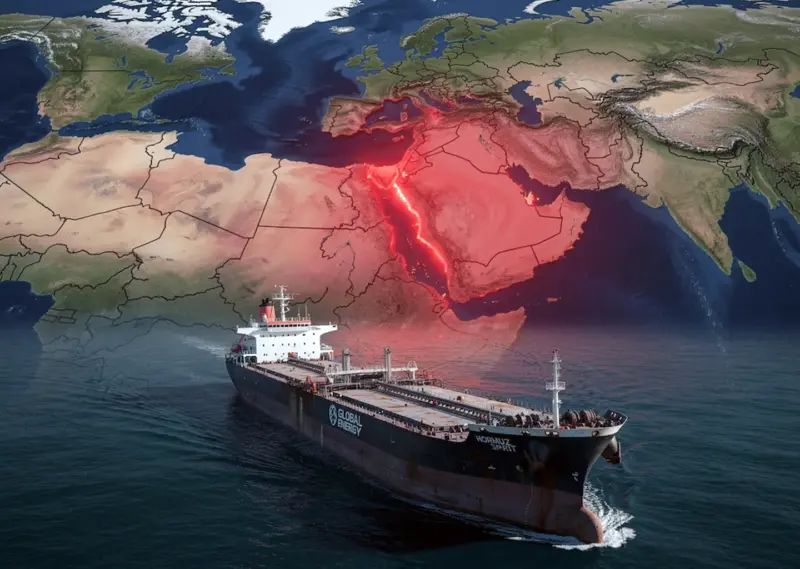
Crude oil from the Persian Gulf accounts for an estimated 20% of global oil supply, primarily destined to Asia. This does not include the important natural gas shipments from Qatar and Iran. The sudden attack on Iran created an increase in the price of crude oil +-70%. The impact of this cannot yet be fully measured, but what is for certain is that inflation is on the rise, economic investment will decline and the growing lack of fuel to keep ships moving and airplanes flying will hurt the international supply chain. The IMF is already projecting a global decline in economic growth for the short and medium term.
In the Gulf, Saudi Arabia has managed to keep its new Petroline pipeline to the Mediterranean functioning at full capacity which accounts for approximately 60% of its exports. The UAE has a pipeline to the south of the Strait of Hormuz. More will be built. Gas/LNG remains a problem, primarily for Qatar. Now we have both Iran and the US closing the Strait of Hormuz one wonders if there is any rational thinking left. Someone will have to seriously blink.
Related Articles
 CONTAINER & CARGO HANDLING
 INSIGHT & OPINION
 INSIGHT & OPINION