![PortStrategy[GreenPort]](https://www.portstrategy.com/wp-content/uploads/2026/09/PortStrategyGreenPort.svg)



Geo-Political Disruptions Lead To Short Term Decisions
The impact of tariffs and inward looking policies by the U.S. are a major cause of disruption to international trade and political relationships.
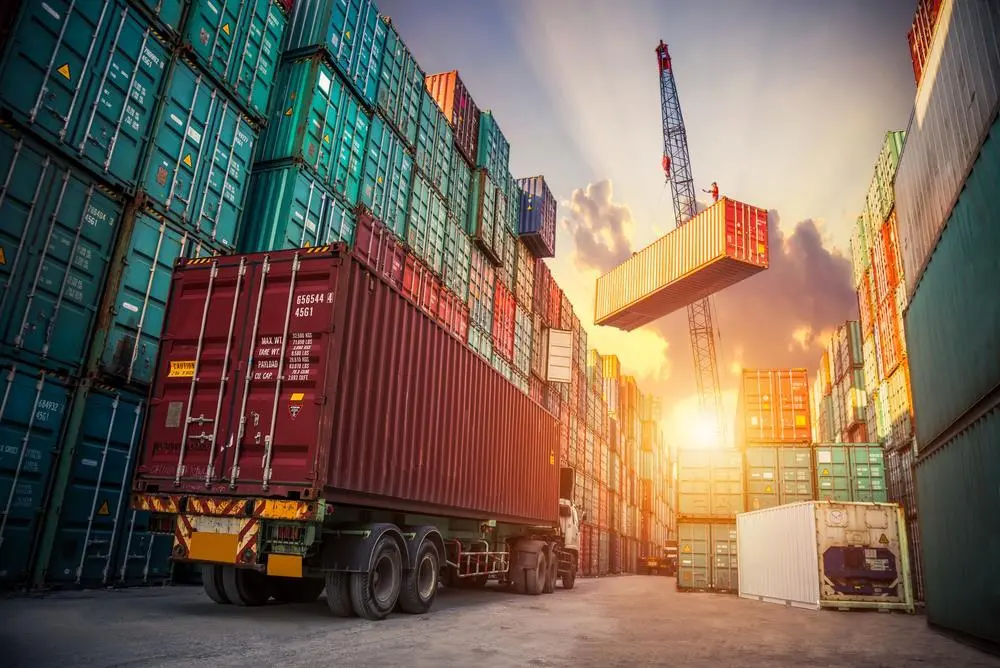
The impacts of geo-political disruptions, created by wars in Europe, the Middle East and Africa combined with the strategy to upend international trading relations by the use of tariffs as a tool to upend trade and logistical supply chains, will create an unmeasurable instability to global trade and international relations.
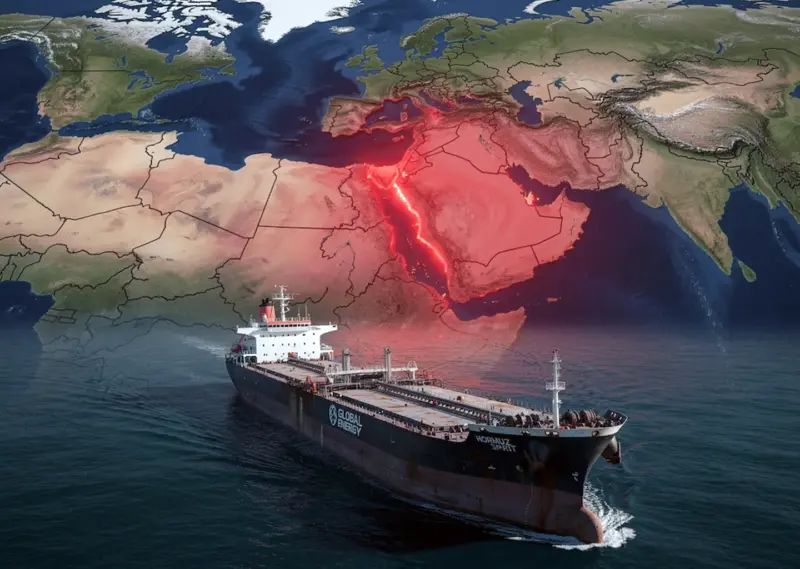
Maritime trade has been disrupted by the Houthis in Yemen and by the misuse of tariffs by the U.S. This has disrupted sources of production and supply chains harming economies worldwide and likely causing a global recession as the tariff tax begins to push up inflation, creating an economic impact quite the opposite of the intended purpose.
The uncertainty caused by ambiguous economic, political and trade policies is being felt in investment decisions. Companies that formerly based their forward-looking strategies into the long-term are now struggling to even come up with short-term planning. This can be seen in the maritime sector as well as in industrial investments based on geographical locations. Countries like Canada, Brazil, India and the European Union (EU) are struggling to find reliable new trading partners to replace the U.S. This is already unleashing further tariff policies independent of the U.S. based trades. The EU recently announced a swinging tariff on global steel imports as a means to protect their domestic industries in response to U.S. tariffs on steel imports.
Global trade benefitted from relatively stable trade growth in 2024. This cannot be said for the projection in 2025, as both bulk and containerised transactions are weakening to the point of either flat-lining or having negative growth. Not all is negative however as regional trade growth is expanding, primarily in Asia but also in Africa.
As long as tariffs are the primary force impacting political relationships and trade lane routings, the uncertainty of what the short and medium-term future hold will act as a suppressor of consumption and a source of delay for investment decisions. We can therefore expect to see the maritime sector planning process stumble as investment in new ships becomes a greater risk as trade volumes decline, all of which could well cause a delay in new port development and expansion. The loss of the U.S. as a reliable trading partner is forcing a complete refocus on formally stable relationships.
Related Articles
 CONTAINER & CARGO HANDLING
 INSIGHT & OPINION
 INSIGHT & OPINION