



Downside of economies of scale
Global carriers, having a hard time managing their pricing strategies, and therefore their profitability, turned to larger vessel sizes in the search for economies of scale that would lower the slot cost of voyages.
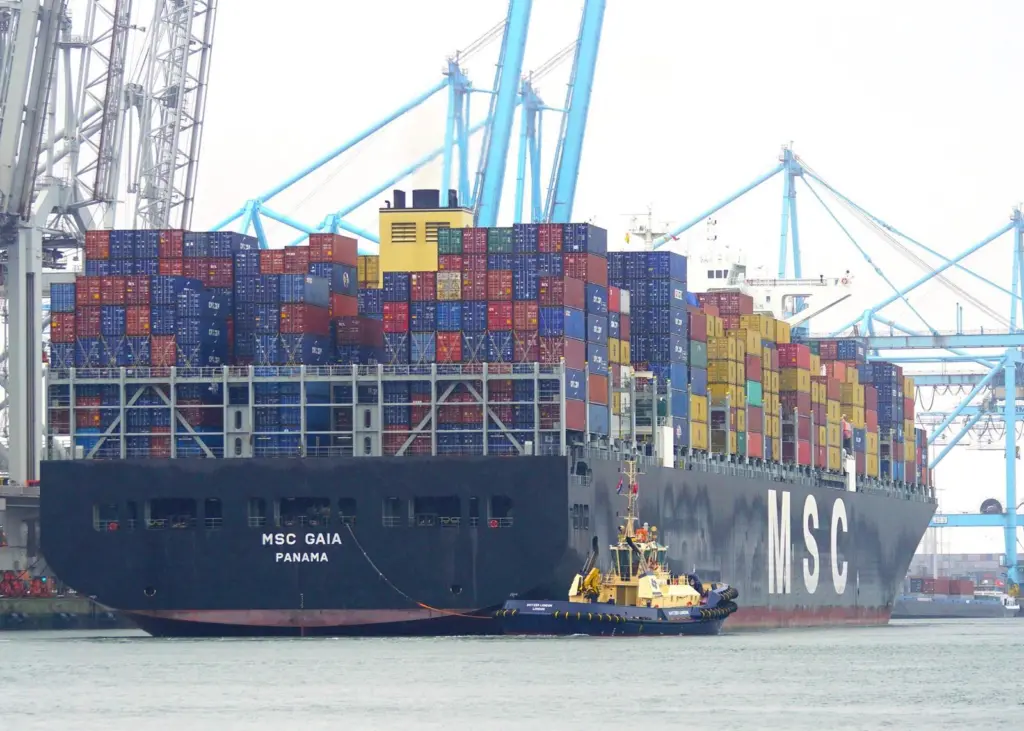
This has been achieved with the 15,000+ teu containerships, with reported orders in the wings that will reach 20,000 teu. Within two years we will probably see 22,000 teu-24,000 teu ships. It is clear that the slot cost savings are very significant, but did the carriers think the whole process through?
It did not take long for the carriers with ships over 15,000 teu to work out that they needed partners to fill all those slots. It also became quickly apparent that most ports in the world just did not have the right, or enough, equipment to work the ships efficiently. Plans for turnaround times went up in smoke. Very few of the 18,000 teu ships are able to load above the 15,000 teu level due to terminal shortcomings.
Not only were partners needed, but alliances with other carriers with similar ships became a pre-requisite. This has, however, turned port terminal operations on its head. It appears that when alliances such as 2M and G6 come along and discharge very large blocks of cargo and then try to load a similar amount, whether full or empty, the terminal operator just does not have enough equipment or space to handle the volumes in the short time window allowed. This is equally true in Asia, Europe and the US. The problems faced by Rotterdam and Los Angeles are not unique.
The issues faced by carriers and terminal operators alike is that the new alliances used to individually call at their own terminals; now they try to call at a single terminal, things clog up and as a result ships and import cargo are delayed.
Is there a solution? Yes, but it’s not a quick fix: we need better planning on the carrier side, more equipment on the terminal side and, perhaps, a separation of import and export terminals to minimise the confusion.
Related Articles
 INSIGHT & OPINION
 INSIGHT & OPINION
 INSIGHT & OPINION