![PortStrategy[GreenPort]](https://www.portstrategy.com/wp-content/uploads/2026/09/PortStrategyGreenPort.svg)






Is there a case for penalties?
COMMENT: I was recently in the audience of an animated conference discussion about the pros and cons of introducing rewards and penalties at ports handling containers. It was an interesting debate, but it left me feeling sceptical about whether such a scheme could work, writes Carly Fields.
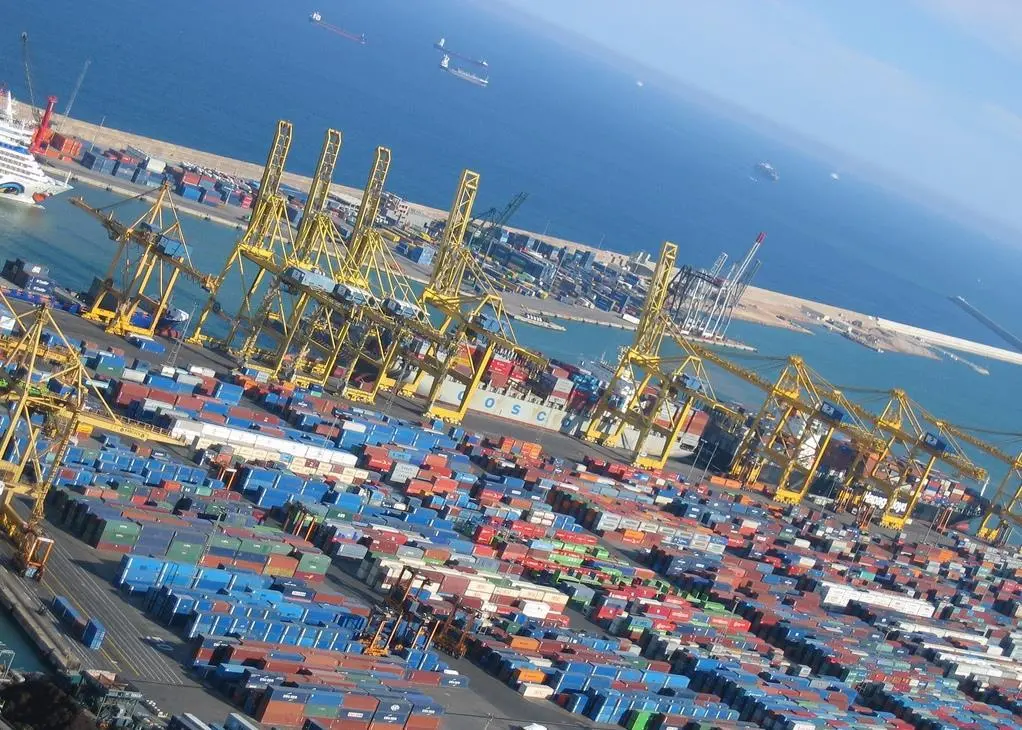
In my view, it’s an idealist plan for a practical industry and therefore one that is doomed to fail.
Competition for container handling business is fierce and shipping lines are notoriously flighty. This is exacerbated by the buyer’s market that exists today, where shipping lines hold the ace card. Strike and a line could switch terminals; suffer from landside congestion and the line could walk; have your equipment fail unexpectedly and the line will look elsewhere. There are plenty of eggshells just waiting to be trodden on. A penalty system for slow or unproductive handling could just add to the already wide range of issues that will push shipping lines to another choice of port, no matter how great the reward side of the scheme. If you do agree on the principal of incentives and penalties for container handling there’s still the question of what to actually incentivise.
What we cannot forget is that shipping is a derived demand; consequently so are ports. And in the pecking order ports come last: consumers demand goods, goods get manufactured, goods get shipped, goods get landed.
A reward and incentive system works well in the dry bulk industry with the well-worn concept of despatch and demurrage – rewards for faster than allowed turnaround and penalties for an overstay of the ship. But here the incentives or otherwise are centred on the ship owner and the charterer, not the port per se. While the operations of the port are in a large part responsible for the speed of loading and unloading, the port operators aren’t being incentivised to work any faster or slower. This is wholly different to the idea of incentivising ports to improve shipping line relations.
One alternative suggestion from the panel that sounded eminently more sensible was one of sharing in any savings that have been accrued through the work of the terminal or the partnership between the terminal and the shipping line. Isn’t it ports and shipping lines working in silo that backed us into this corner in the first place?
Related Articles
 OPERATIONS
 INSIGHT & OPINION