


Just whos laughing now?
COMMENT: Reading the press since the end of the labour dispute on the US West Coast brings a smile to ones lips. The build-up of the West Coast congestion was relatively slow, as the ILWU and the PMA were locked in negotiations and shippers and carriers worked on how to deal with cargo, writes Ben Hackett.
Did the overall delivery of containers to the US suffer? It appears that it probably did not. Overall cargo flowed through to the importers despite the West Coast disruptions and that was the case until early December. The change was in the switch to the East in late December combined with the low level of discharge on the West Coast as the ships lay waiting, outside Los Angeles, Long Beach and Oakland.
By late January the major importers were beginning to publicly say that they had shifted to the all-water route to the East Coast and despite the doubling in the cost of shipping and most likely delivery they were seriously thinking of not returning to the West Coast. Never mind the investment in distribution and warehousing that was a sunk cost, particularly in the Los Angeles/Long Beach area.
The East Coast ports began to gloat about their boom in cargo growth and how their new market share was going to be a permanent situation. Wishful thinking at best as we now read that some of the East Coast ports are in a mess, suffering from massive congestion caused not by labour disputes, but by their own inability to deal with the influx of so much cargo.
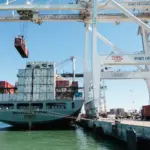
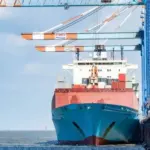
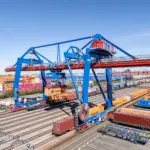
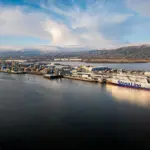
Reportedly six mile truck queues have crippled the Port of New York and New Jersey as truckers stream in to pick up containers from terminals before the shippers are hit with punishing demurrage charges. Further south, the Port of Virginia is suffering from near-unprecedented congestion that has now spread to three of its four terminals on the Elizabeth River.
Given these images, does anyone really believe that the US West Coast will not regain its market share?
Related Articles
 INSIGHT & OPINION
 INSIGHT & OPINION
 INSIGHT & OPINION