



Trump administration threatens port funding
The Trump administration’s promise to rebuild the US infrastructure could involve a system of tax cuts and credits for corporations and an infrastructure bank for projects, which could prove to be problematic for the transportation and logistics industry.
A recent report by The Hill suggested that private investors would only fund projects that have tolls or user fees that can recoup investment costs, meaning critical infrastructure needs like deepening ports or fixing existing roads and bridges may go neglected under Trump’s plan.
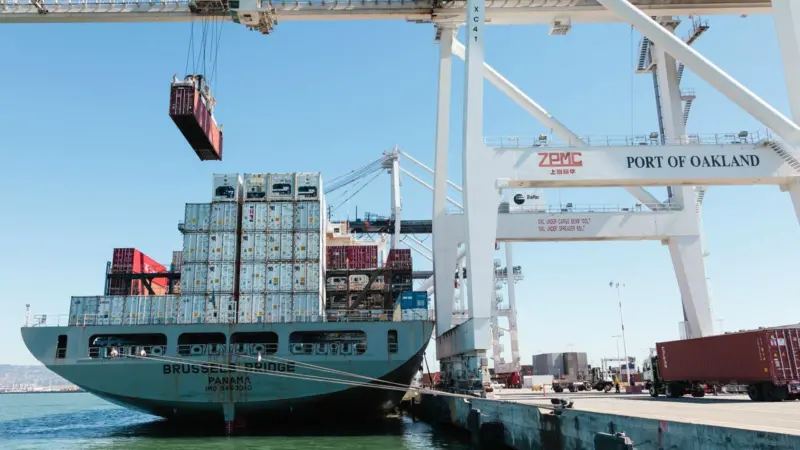
Many port projects are either in the advanced planning and funding stages or are ongoing to accommodate the fleet of mega-containerships coming into service, mostly as a result of the Panama Canal expansion project that was completed in 2016.
The majority of these projects have funding regimes in place, so a new infrastructure program would likely have little impact on them.
However, demand for the 2016 TIGER grant program, which since 2009 has provided a combined $5.1bn to 421 projects in all 50 US states, the District of Colombia, Puerto Rico, Guam, the Virgin Islands and tribal communities, exceeded available funds.
It’s still unclear how a Trump infrastructure program will work with the TIGER grant program, or the FAST Act.
The American Association of Port Authorities (AAPA) recommended that the Trump infrastructure plan embrace and include both programs at increased funding levels.
In a letter to the Trump transition team, AAPA said: “Local port authorities and their private sector partners are doing their part, with plans to invest over $155bn in infrastructure over the next five years.”
Related Articles
 PORT & TERMINAL NEWS
 OPERATIONS
 PORT & TERMINAL NEWS