![PortStrategy[GreenPort]](https://www.portstrategy.com/wp-content/uploads/2026/09/PortStrategyGreenPort.svg)


CHANNEL DEEPENING SET FOR GREEN LIGHT
The $289m port of Melbourne channel-deepening project in Port Phillip Bay was effectively given the green light in July after the public release of a long-awaited environmental effects statement (EES).
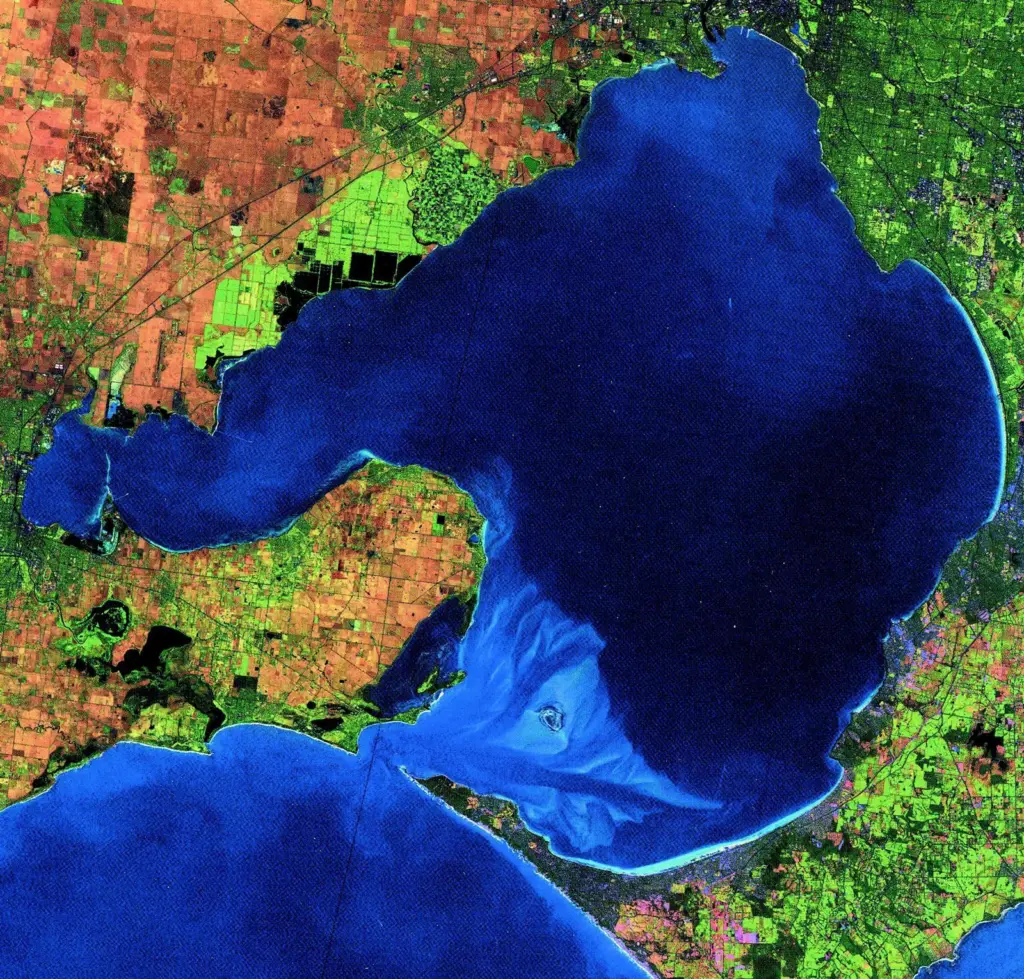
The EES investigates the deepening of commercial shipping channels into and within Port Phillip Bay and assesses the economic, environmental and social impacts of this major project. Port of Melbourne Corporation chairman Neil Edwards says the EES – comprising 16 independent specialist studies – is the most comprehensive compiled in Victoria. Its key findings indicate that environmental impacts on Port Phillip Bay will be temporary and can be managed sustainably.
The current depth of the channels means more than 30% of container vessels now entering and leaving the port cannot load to full capacity and this figure will increase in the future. As a result, Victorian business would miss out on lower freight costs making the state’s exports less competitive.
Parsons Brinckerhoff co-ordinated the assessment of the impact of channel deepening which has been prepared using a comprehensive risk management approach to minimise the environmental impacts of dredging the channels.
The port corporation has signed an alliance agreement for the development phase of technical and environmental solutions which has been made with dredging company Royal Boskalis.
The port will recoup the estimated US$289m cost of the project primarily from port users, but the Victorian Government has signalled it may chip in if the project is approved. Shipping Australia chairman John Lines has questioned whether Melbourne’s up-river Swanson Dock box terminals can handle the number of bigger ships likely to use the port once the access channels in Port Phillip Bay are improved.
Lines says that Melbourne may now have to look at its options downriver at Webb Dock, the regional ports of Hastings and Portland, as well as Swanson in order to accommodate ship size growth after deepening is finished in 2007.
Some lines have held back from deploying 4,000TEU ships on Australian services only because of the Melbourne draught restriction, he says. But the surge in larger ship deployments once that obstacle goes could be bigger than anyone anticipates, he argues, with the Port of Melbourne Corporation’s estimate of 100 annual calls “substantially understated”. Lines says that the opening of new terminals in Shanghai around the same date could also see larger ships cascading onto the Australian trades.
One hundred ship calls represents two weekly services into the port deploying this size of ship. But Lines maintains that planning among the carriers already suggests up to 400 calls a year a year by 4,000TEU class ships.
This would equate to eight weekly services using ships of this size, or a vessel a day.
Related Articles
 WORLD
WORLD
 PORT & TERMINAL NEWS
 PORT & TERMINAL NEWS