



Dover promotes ‘green’ culture
The UK’s Port of Dover is working hard to promote a ‘green’ culture after hitting major eco-friendly milestones and its preparing for new development in 2015.
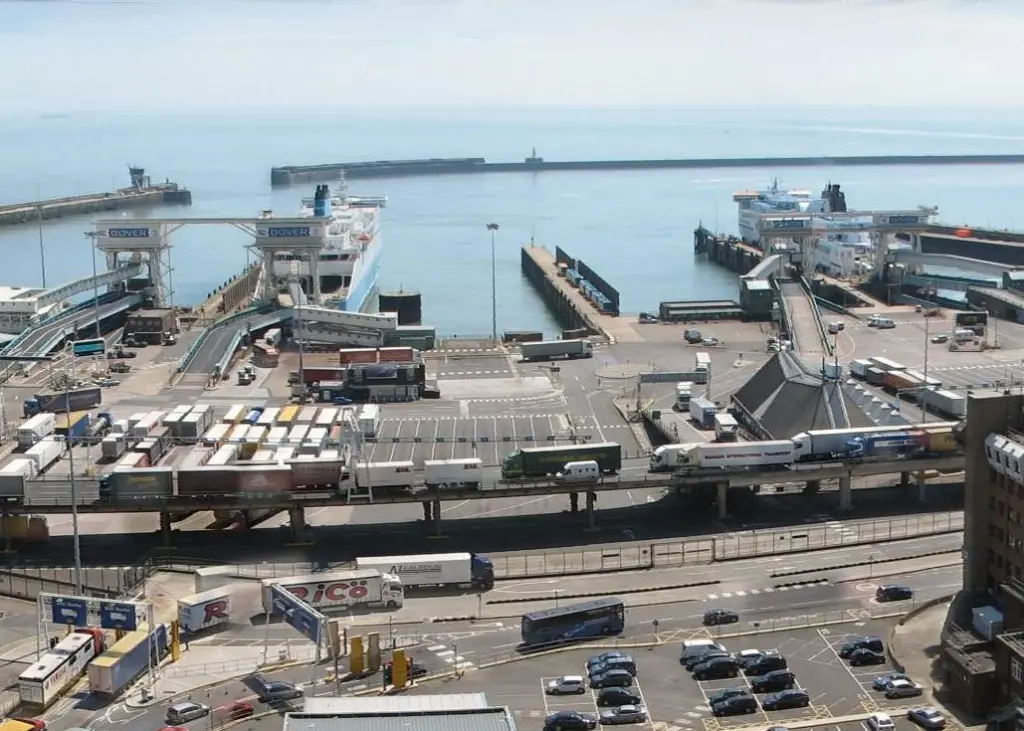
Around 177 million tonnes of waste is generated every year in England alone and the Port of Dover, which is Europe’s busiest ferry port, is doing its part to reduce the amount of waste sent to landfill. It hit its first major milestone in 2013, which was the first year in which 100% landfill avoidance was achieved for the port’s general waste scheme.
“We used a waste company that has 100% landfill avoidance policy and we are working to increase recycling and what remains goes to an incinerator,” a spokesperson for the environmental team at Dover told GreenPort. “The waste from the incinerator then goes for road building.”
Emissions at the port are also being reduced, with the port recording a 25% drop in carbon emissions since 2006. In order to hit this milestone, a number of projects have been carried out over the years including building energy management system upgrades and the installation of air sourced heat pumps.
The port also fully redesigned its high mast lighting to reduce light losses and improve efficiency and has used digital timers and light level sensors, which work in conjunction with each other.
The spokesperson told GP, it’s also important to ensure its staff are “eco-aware”, so during its recent ‘Green Week’, the environmental team gave presentations and tackled common issues in promoting a positive environmental culture. Ninety-one percent of staff said they felt the port cared about the environmental impact of its operations.
All this is vital for the port’s future plans, which include developing a new area of port land next year to expand its cargo business.
In future, we will continue to reduce our carbon footprint,” the spokesperson said. “To date, this target has been based on the ‘absolute’ carbon footprint. This is likely to have to be transferred to a ‘relative’ target in the future because we have big construction plans.”
“Relative metrics have been challenging for us as different drivers affect the energy consumption in the different parts of the business,” the spokesperson added. “We will therefore have to break our carbon footprint down into different business streams.”
The port also told GP it’s looking to obtain a Ceequal award for its development plans which will integrate “sustainable thinking” into the design and construction of the terminal and influence the choice of equipment going forward.
Related Articles
 ALTERNATIVE FUELS GREENPORT