- News
- Subscribe
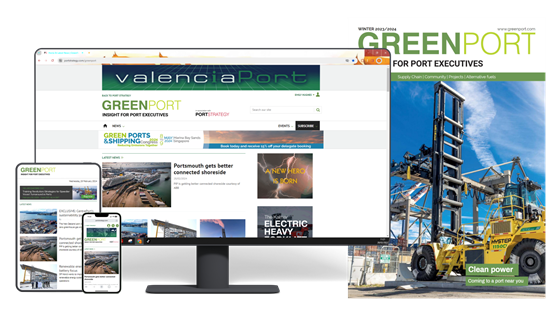
Get full access to GreenPort content
Including, full access to our news archive, podcasts, webinars and articles on innovations and current trends to increase port sustainability.
- Expert analysis and comment
- Unlimited access to in-depth articles and premium content
- Full access to all our online archive
Alternatively REGISTER for website access and sign up for email alerts
- Industry Database
- Events
GreenPort Congress
World Ports Conference
Coastlink Conference

GreenPort Congress is a meeting place for the port community to discuss and learn the latest in sustainable environmental practice. It offers ways to reduce their carbon foot print and be more sensitive to environmental considerations, both of which are vital to future success. The annual World Ports Conference brings together global port leaders and key stakeholders from the shipping sectors to explore the opportunities and challenges facing the maritime industry. This year’s #IAPH2026 will be held in London, UK, offering a programme of plenary, breakout and workshop sessions and a gala dinner celebrating the IAPH Sustainability Awards. Coastlink is a neutral pan-European network dedicated to the promotion of short sea and feeder shipping, and the intermodal transport networks through the ports that support the sector. It is a place for industry professionals to meet and discuss future innovation, economic and environmental considerations – and develop partnerships that will help build a sustainable future. Visit the GPC Website Visit the WPC Website Visit the Coastlink Website

In association with

Renewables help US port achieve carbon neutrality
A US port is moving ahead with ambitions to be carbon neutral using renewables
Continue reading this article…
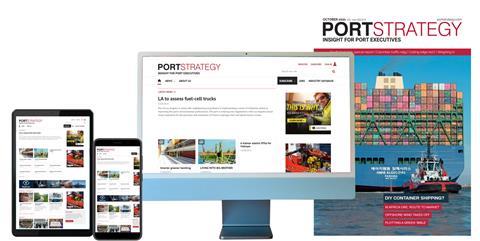
Register for a FREE one-month trial to continue this article
Want to read more before deciding on a subscription? It only takes a minute to sign up for a free account and you’ll get to enjoy:
- Weekly newsletters providing valuable news and information on the ports and terminals sector
- Full access to our news archive
- Live and archived webinars, podcasts and videos
- Articles on innovations and current trends in the ports and terminals industry
- Our extensive archive of data, research and intelligence
Already subscribed? SIGN IN now
Get more free content sign up today
Ready to subscribe? Choose from one of our subscription packages for unlimited access!