
Cruise services for Copenhagen and beyond
With an average of 300-400 cruise ships calling per season across several terminals, Copenhagen Malmö Port sees plenty of traffic.
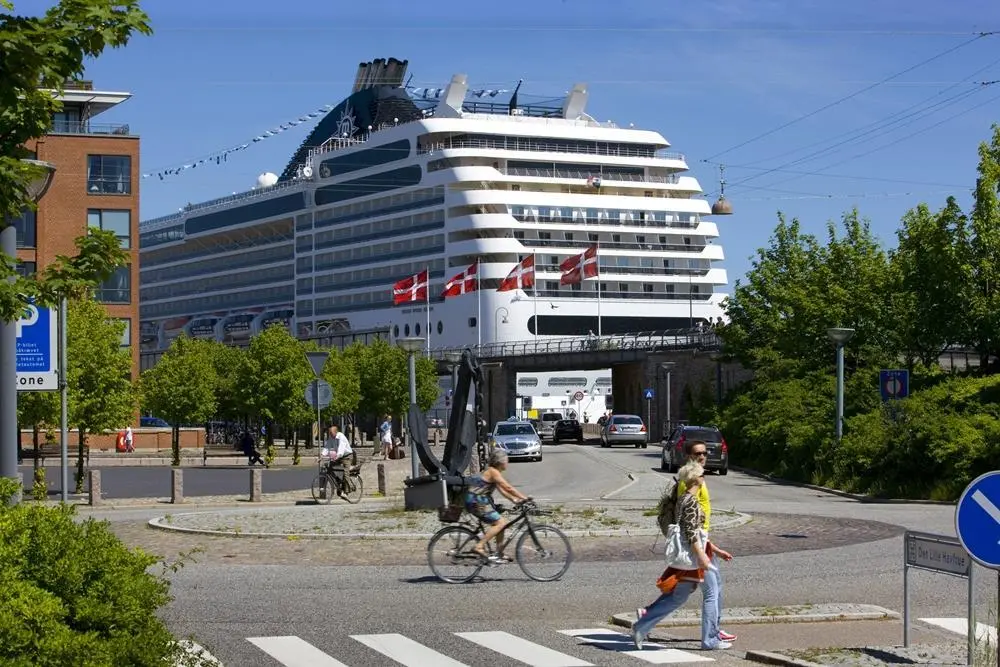
Copenhagen Malmö Port (CMP) has three sites that serve cruise ships in the Danish capital, Copenhagen. The quay of Langelinie is located right in the city centre, with Oceankaj handling turnaround cruises from its terminals north of the city centre. Nordre Toldbod is a shorter quay in the city centre. CMP also has terminals in Malmö and Visby (Sweden) .For its Visby site, CMP has operational responsibility whilst environmental permits and other sustainability issues are taken care of by Region Gotland (County Council).
Environmental challenges
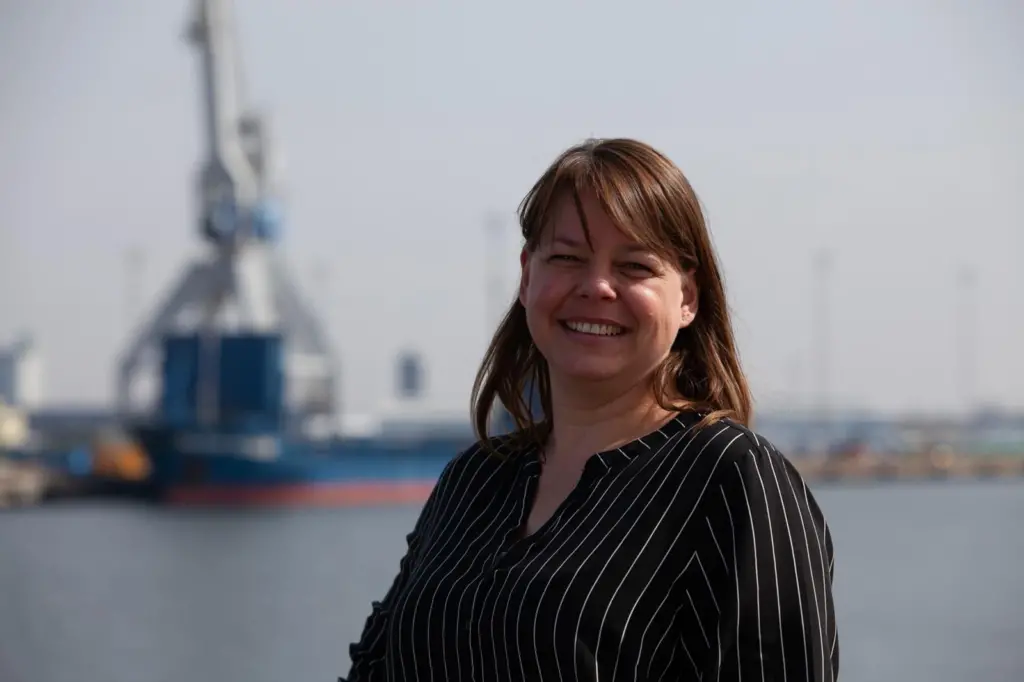
The main environmental issues faced by CMP at its various locations are noise and air pollution, says CMP environmental manager, Petra König. “Cruise vessels need to be as near the city centre as possible; hence the quays for cruise ships are located near office and residential buildings. We have participated in the international NEPTUNES project to work with the noise issues. We also have regular information meetings with residents before and after cruise seasons to discuss noise pollution.”
Outcomes of these initiatives include limiting the use of outdoor loudspeakers to emergency drills and cases of actual emergency. “We have also seen that the number of complaints is reduced when there is a greater understanding of the noise sources,” she says.
Ms König adds: “With regard to air pollution we are, like many other ports, looking into solutions such as onshore power supply (OPS), alternative fuels and other onboard solutions. At present we have an OPS project with DFDS.” This project will see CMP and the ferry company establish a shore power facility in Nordhavn, Copenhagen, which will be used by the ferries Crown Seaways and Pearl Seaways from the first quarter of 2021. CMP is also in dialogue with other shipping companies on the potential for shore power.
Sustainable services
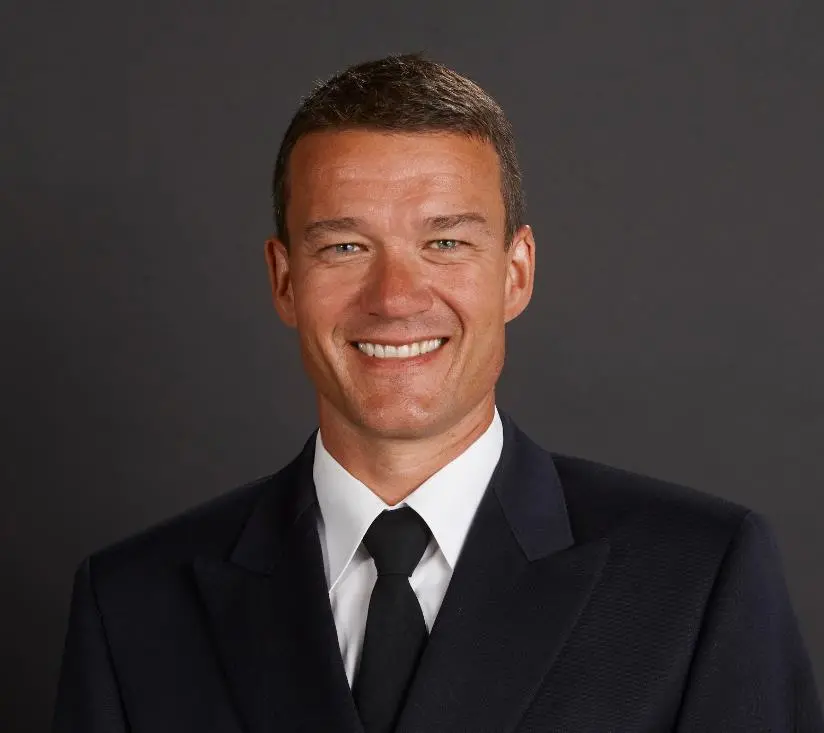
Cruise customers benefit from a range of services in Copenhagen. “We have a well-developed waste reception system including separation at source,” says Henrik Ahlqvist, Manager Cruise & Ferry and Deputy Harbour Master for CMP. “On Oceankaj we have a direct connection to the municipal sewage treatment plant (MSTP) so we can receive grey and black water. This is then pumped to the MSTP nearby. On the other sites we collect with tank trucks and then drive to the MSTP.”
Transport around the sites is also designed to be sustainable. “We only use e-vehicles in our operations,” says Mr Ahlqvist, adding that this provides a better working environment for employees and for cruise passengers on the quay. “Our terminal buildings have green roofs for delaying and filtering precipitation and function as insulation in both winter and summer time. The terminal buildings are also designed to be energy efficient with regard to lighting, ventilation and heating.”
Onward transport is well integrated with the cruise facilities. “On Oceankaj there are shuttle buses to the airport. Soon we will have a metro station at walking distance from Oceankaj,” says Mr Ahlqvist. As a member of the Copenhagen Cruise Network, CMP benefits from access to guides, tourist offices and agents to source attractive and sustainable offers for the cruise ships and their passengers. CMP is also a member of several other port and port operator associations and certification bodies.
Sharing of experiences and know-how is an important aspect of CMP’s approach, says Ms König. “We may compete in business but never in social and environmental aspects. Sustainability in these aspects leads to win-win situations for everybody in the cruise sector.”
Green strategy
With that in mind, how does the port’s longstanding sustainability strategy for cruise fit with those of the city and surrounding region? “We have adopted the United Nations Sustainable Development Goals and parallel to that we stay updated regarding the local goals,” explains Ms König. “Since we cooperate with the city of Copenhagen in so many aspects, we of course try to do our part in contributing to their environmental goals – for example, to be CO2-neutral by 2025. Therefore, we only buy electricity from renewable sources and all our vehicles are e-vehicles.”
Looking ahead, the strategy is to keep growing to be ready for future expansion in demand. “We can see an increase in the number of ships so we are planning on building a fourth terminal on Oceankaj,” says Mr Ahlqvist. “We are aiming for the terminal to fulfil the criteria for gold level according to Green Building Council Denmark.”
Keeping up to date with all relevant sustainability certifications is also a theme. “We are ISO 14001 and 9001 certified. This means that we work systematically with continuous improvements. By setting goals and then evaluating the results, we will be able to steadily aim higher and higher.”
The views of the cruise lines that call at CMP’s sites are taken into account when planning for development. Mr Ahlqvist explains: “We work with stakeholder analysis to capture the thoughts, worries and ideas amongst our stakeholders so that we are sure that we are working with the right issues.
“Every cruise ship, after their visit at any of our sites, is requested to fill out a questionnaire. In this manner we can receive inputs on what was good, what needs improvement and if there are any aspects that we haven’t considered yet.”
Learning from other ports in different regions is another practice to which the company is committed and CMP recently signed a five-year Memorandum of Understanding with the Port of Los Angeles. “The Port of Los Angeles is a fore runner with regard to sustainability and we hope that the sharing of experiences will be of value for both ports,” says Ms König. “They can upscale solutions and we can test if it is possible to apply their solutions in a smaller-sized port.”
Current challenges
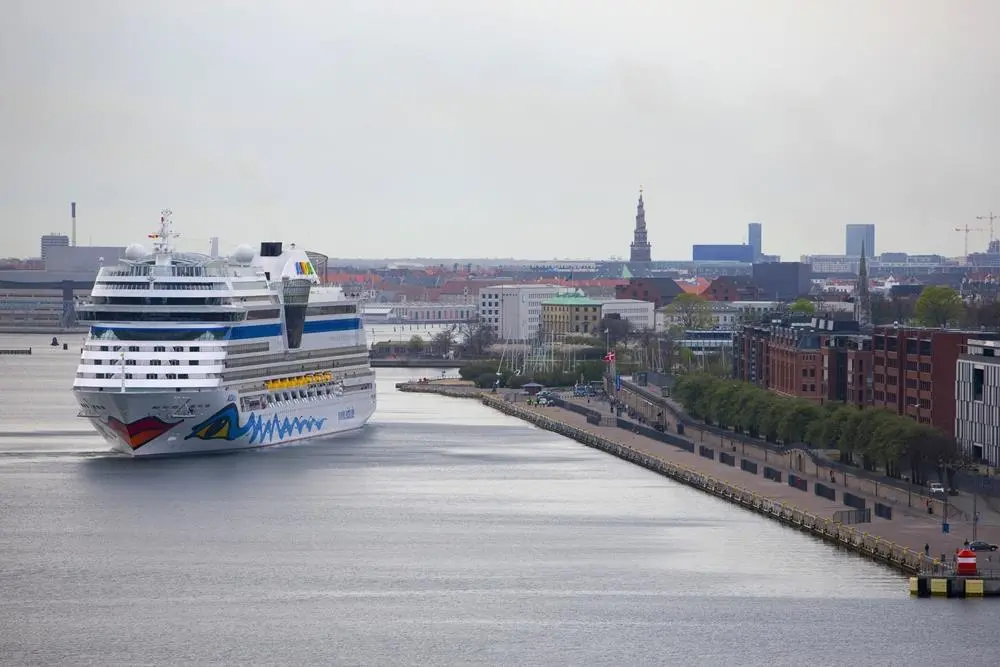
Of course, long-term sustainability collaborations and other initiatives have been – and will continue to be – severely tested by the shock of the Covid-19 crisis. “In the midst of the pandemic, we, and many other cruise ports, have realised our vulnerability,” says Ms König.
“A blossoming business has gone cold overnight. This will of course have a great impact on our profit and employment. The impact will of course also be felt outside of the port. In general, cruise creates job opportunities and revenues for many in the city (bike rentals, shops, restaurants, taxi companies, guides, museums, etc.) so it’s not only ports and cruise companies that profit. Due to this, our partnership/membership in Cruise Europe is vital since we, together with other cruise ports, are trying to find ways of bouncing back quickly as soon as Covid-19 is no longer an issue.”
Other major issues for CMP include preparing for new and sustainable fuel use at the company’s sites. “Through various partnerships we are looking into future fuels for ships, for example, if ship movement within the port area before berth can be done on battery. We try to be efficient and reduce mooring time.”
Social sustainability and in particular gender equality, is high on CMP’s agenda.
“The actual port operation is male dominated – something we need to work with. The cruise industry is attractive for the work force since it is seasonal and they can engage in other jobs or interests during the other half of the year. It is ideal for students, musicians, writers, etc. Since we as a company are nothing without happy and healthy employees, we take the working environment aspects very seriously. Within cruise it might not be as ‘heavy’ as in other port areas but we have worked with reducing lifting of suitcases so we now have a system of conveyer belts (like at airports), usage of life vests when on quay, and we are sensitive to employees’ thoughts and ideas on improvement. We are always willing to test new methods and routines.”
Related Articles
 EUROPE GREENPORT
 EUROPE GREENPORT
 PRODUCTS & SERVICES GREENPORT