

The Port of Klaipėda has launched its hydrogen-powered waste vessel, marking a major milestone for sustainable shipping operations.
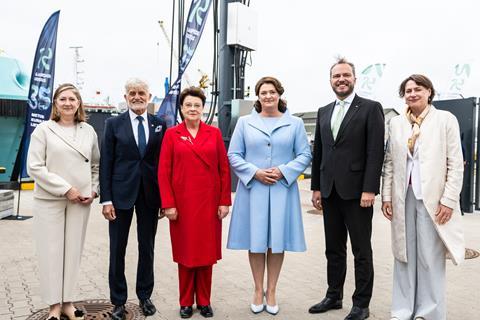
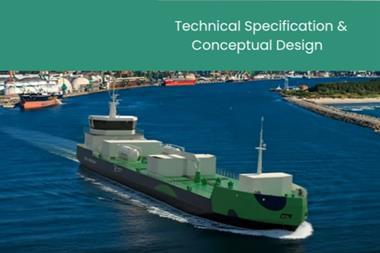
Officially named Rasa on 18 June, the 42-metre port vessel was developed through Lithuanian and Estonian collaboration to support zero-emission port operations in the Baltic Sea region.
“Rasa began as a bold vision to create cleaner shipping. This vessel is an inspiring story of how steel plates, innovative solutions and thousands of hours of work by professionals in Lithuania and Estonia turned an idea into reality – the world’s first tanker powered by green hydrogen and electricity,” said Algis Latakas, director general of the Klaipėda Port Authority.
”Rasa represents a significant shift in shipping, an investment in a cleaner future and a new approach to port operations, where cutting-edge technologies and environmental responsibility become part of everyday activities.”
Zero-emission operation
Designed to collect ship-generated waste, bilge water and sludge from visiting vessels, the waste vessel operates using green hydrogen and electric propulsion technology while producing no carbon emissions.
The launch ceremony brought together senior political and maritime industry representatives, including Lithuanian First Lady Diana Nausėdienė and Estonian First Lady Sirje Karis, who highlighted the vessel’s environmental significance and the growing regional cooperation behind advanced maritime technologies.
This unique project united Lithuania and Estonia, bringing together the expertise of shipbuilders from both countries.
Built at Western Baltic Shipyard in Klaipėda before final outfitting and hydrogen system integration in Estonia by Baltic Workboats, Rasa combines hydrogen fuel cells, battery systems and electric propulsion. The hydrogen power system, including fuel cells, storage tanks and software, was supplied by Genevos.
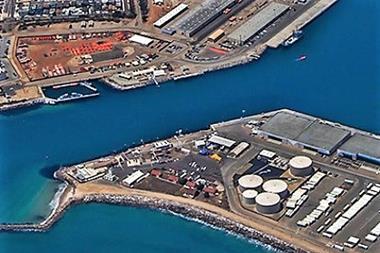
Powered by green hydrogen produced within Klaipėda Port, the vessel supports broader ambitions to expand Lithuania’s hydrogen economy while reinforcing the port’s position in sustainable shipping innovation.
The €12 million project is expected to strengthen the development of zero-emission maritime infrastructure across the Baltic region.