





Rail masterplan rollout
One Spanish port is upping its investment in rail as it seeks to become more sustainable.
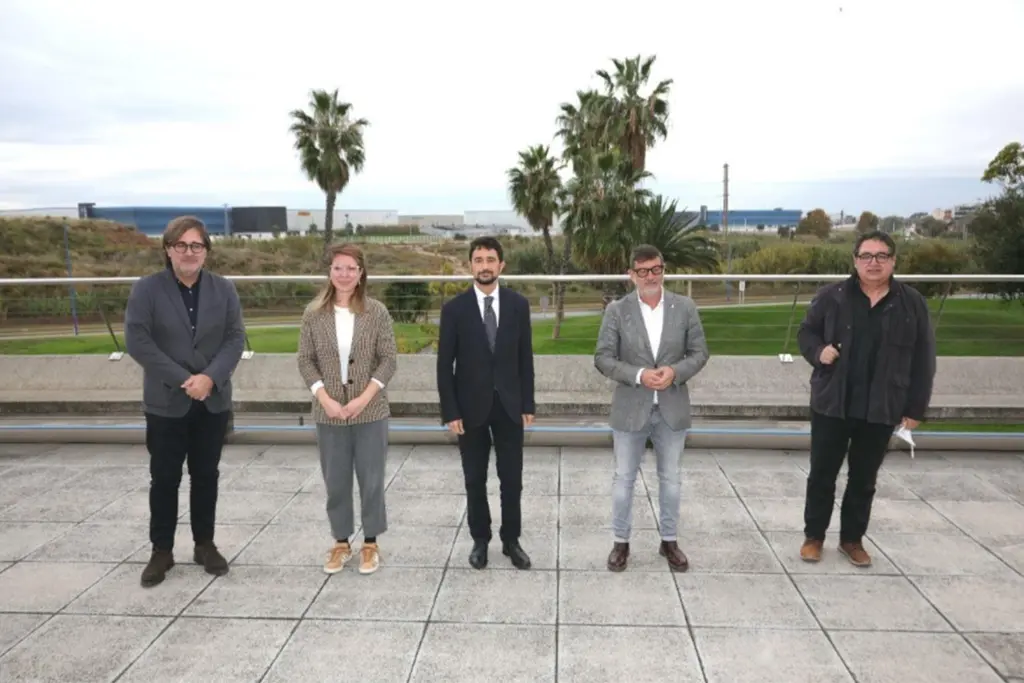
The Port of Barcelona and the city councils of Barcelona and El Prat have given a progress report on the Urban Master Plan (UMP) for the new Intermodal Logistics Terminal at the port.
“The infrastructure envisioned in the UMP, together with existing infrastructure nearby –the BEST rail terminal on Prat wharf and the already completed and operational Terminal C for shipment and reception– will form a very powerful, six-terminal rail node to serve the Port of Barcelona and the surrounding area…,” said the port.
Taking trucks off the road
This railway node includes a ferroutage terminal, a reception and shipment terminal and a loading and unloading terminal, all located in the former bed of the Llobregat River, as well as the Nou Llobregat Terminal, a reception and shipment terminal parallel to the current course of the river.
The node occupies 68 ha and its infrastructure will increase the number of containers entering and/or leaving the port by train, moving the port closer to its environmental and efficiency goals.
The Port of Barcelona is fostering rail transport because it is efficient and competitive. In the last 10 years, the port’s intermodal strategy has meant 2.8 million fewer truck journeys. In 2020, rail traffic in the port area kept 175,000 trucks off the road, the equivalent of 700 fewer trucks on the road every day. This drop in road traffic meant 42,700 fewer tonnes of CO2 were released and 14 million fewer litres of fuel burned.
In 2020, rail traffic in the Port of Barcelona was 269,304 TEU, with a 15% rail share of containers and 42% rail share of vehicles. The Intermodal Logistics Terminal is expected to make it possible to shift about 400,000 containers and 46.000 semi-trailers from road to rail every year.
New green public spaces
The UMP envisions creating 20.8 ha of new green public spaces and the Green Corridor Agricultural Park of the Llobregat-Montjuïc Park, a network of green itineraries connecting the various logistic-port areas and natural spaces.
The UMP also envisions using green corridors as buffers to integrate the new infrastructure into the landscape
Final approval for the UMP is expected in the first quarter of 2023.
Related Articles
 PORT & TERMINAL NEWS
 EQUIPMENT
 PORT & TERMINAL NEWS