

Vision and political will is needed to reach the green and cost-effective goal of seamless, pan-European inland waterway transport, but it means going beyond the vicissitudes of changes of government or economic challenges.
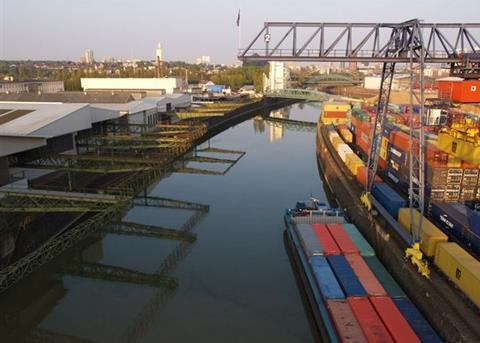
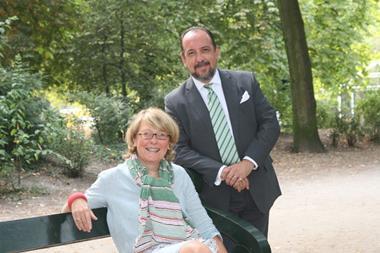
Isabelle Ryckbost of the European Federation of Inland Ports points out that European freight transport is facing longer term growth, and both seaports and cities need sustainable, reliable hinterland links “even though it’s difficult to see it or prepare for it in the middle of a crisis”.
Commenting on the recent EC working document ‘Towards NAIADES II’ she told Greenport: “Developing a stable infrastructure remains the central challenge. By this I mean a long term and stable infrastructure policy.”
Ms Ryckbost added: “Although it’s harder in a downturn to make long term plans, if you don’t have protected policies around the investment programme it fosters doubt: beyond losing a lot of time and money, you also create hesitation in the minds of private players and the inland waterways needs both public funding and the necessary input from the private sector.”
“Also, we need to have European rules: still too often the countries make inconsistent navigation rules. Further, if transhipment cargo is being forced onto smaller vessels it all adds to the costs, and stops it being considered as an alternative, so you need to be able to put cargo onto one barge to navigate a whole corridor, no missing links or ‘difficult’ sections where there are bottlenecks or a lack of maintenance.”