

Gate Systems article
Automated gates should keep things moving at box ports and terminals. Alex Hughes reports
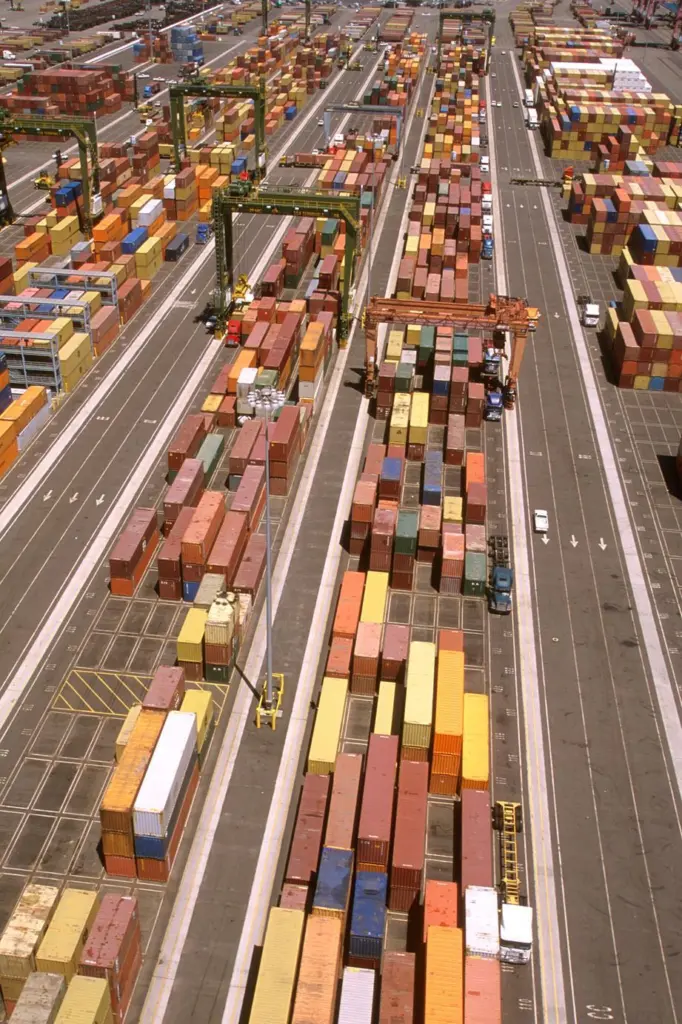
For many terminals, the gate is becoming a bottleneck that limits throughput capacity. Container terminals are fast realising that there is no point in having high berth and yard productivity if they cannot move boxes easily in and out of the gate.
Environmentally, long waiting times at the gates result in a waste of fuel and the generation of unwanted emissions. And as pressure on air quality grows, savvy terminal operators also appreciate that they can both increase their productivity and get credit for reducing emissions resulting from improved operations.
“This was the case with SSA Terminals at their Pier A Terminal in the Port of Long Beach, where a Moffatt & Nichol study identified that the introduction of optical character recognition (OCR) technology at the gate would reduce total truck emissions, simply by cutting down on engine idling through less waiting time,” recalls Dimitris Pachakis, consultant with Moffatt & Nichol. Nevertheless, processing trucks faster is a must and clerks employed to do so struggle to achieve this as traffic increases. If truck processing times don’t change, terminals are forced into adding more gate lanes and hiring more clerks.
“At some point terminal operators simply have to upgrade their gates as a result of physical limitations in space and the cost of adding labour,” says Mr Pachakis. “Congestion limits throughput, so the return on investment is immediate as soon as any new upgrade process becomes operational, because terminals can handle more traffic.”
Terminals worldwide face the same dilemma when upgrading: to build their own terminal operating system or to buy something already commercially available. A typical purchase involves not only new software and hardware, but also infrastructure modifications such as cables, conduits, gate arms, OCR camera portals and buildings. Furthermore, almost every terminal has its local peculiarities regarding gate processing, inspections, security and customs clearance processes, which makes it impossible to have a one-size-fits-all solution.
As to whether it is more cost effective to buy software and hardware for a new gate system from separate suppliers, or to source everything from just one, Mr Pachakis notes that each approach has its pros and cons. Container terminal gates are usually quite specialised, so there are a limited number of vendors that offer integrated gate systems. He therefore says that the most important issue is the integration with the existing terminal IT system.
“Terminals that source all their IT systems from a single vendor may achieve uniformity and compatibility, although are locked into a particular technology. Terminals that mix and match buy what they believe is the best solution, but have to ensure compatibility and replace systems that may later become obsolete.”
Gate management systems can also fail spectacularly, if employees don’t buy into them. To avoid this, processes have to be well thought out and address the concerns of shippers, gate employees, road hauliers, terminal management and the local community.
Interestingly, most terminals end up hiring more gate employees when they upgrade gate processes, since throughput increases. Mr Pachakis notes that this has been demonstrated at most of the US West Coast terminals that upgraded their gates. Exceptions and errors will always require an employee presence, but modern management systems allow more transactions to be handled with the same manning levels. Crucially, increasing the manning levels without reducing the transaction times, offers only diminishing productivity returns.
Moffatt & Nichol also believes that congestion is often a function of inadequate processes. Fixes include appointment systems with advance data entry capabilities; extended gate hours; automated data entry; the elimination of non-necessary or time consuming activities during the document interchange; and undertaking the handling of exceptions separately.
Mr Pachakis stresses that significant value can be added to terminal operations by actively controlling the flow of trucks into the terminal to match the hourly yard productivity; by offering supply chain visibility to third party logistics suppliers and providers through an advanced online appointment system; and by offering faster turnaround times to the trucking companies. And these are some of the solutions he expects terminals to adopt in the near future.
Related Articles
 CONTAINER & CARGO HANDLING
 TERMINAL OPERATIONS
 CONTAINER & CARGO HANDLING