
Growing risks
The increasing use of pre-formed caisson units in port construction is a growing issue for insurance, says Sean Woodford of Aons construction team.
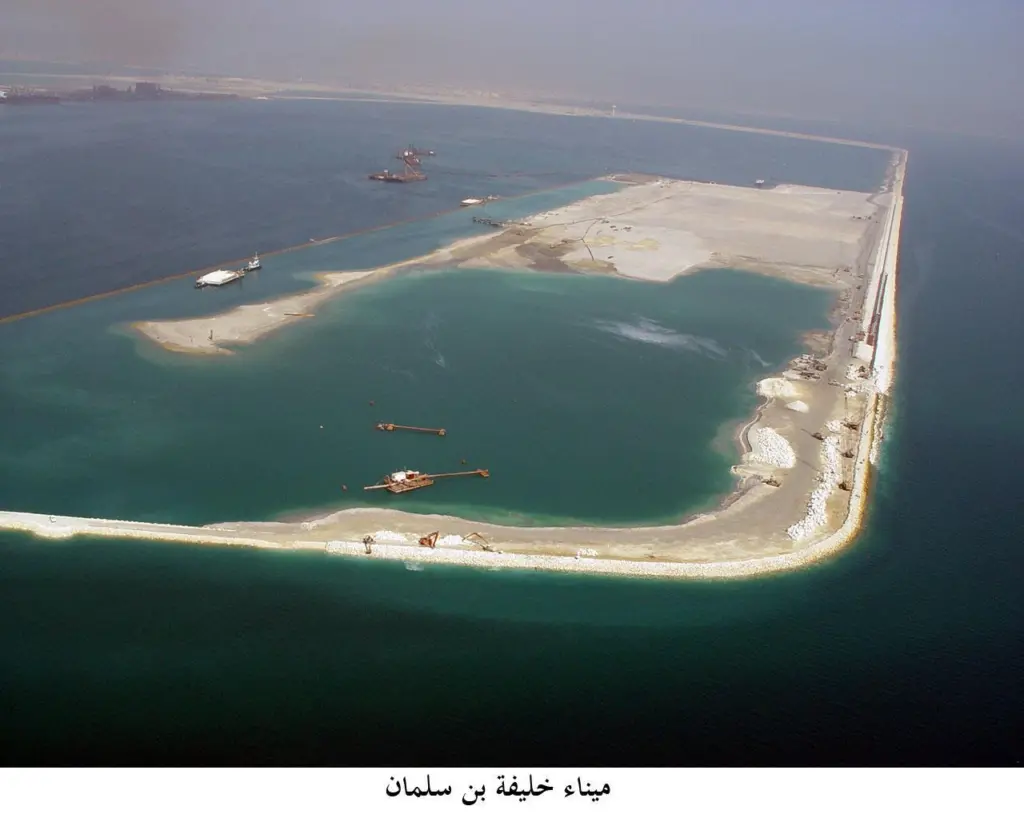
“Obviously the use of caissons is better for the contractor and faster – but it comes with risks for the underwriter, particularly when it comes to towing to the site by sea, because these are fairly high value,” says Mr Woodford. “If one sank, it would be a very high cost and would knock back the whole project. A lot of attention is being paid to towing risk because of this.”
Meanwhile, geological and weather conditions only grow in importance for those considering the risks of a project.
“Where land is being reclaimed, the contractor must wait for complete settlement of the land – that is an important consideration that will always be covered in the policy.
“And insurance companies often have a lot of clauses to tighten up. For example, a clause might exclude ‘normal action of the sea’ – but how do you define that? One person’s ‘normal action’ might be a contractor’s ‘abnormal’.
“Insurers will want to look back historically at tides, and at weather and sea conditions, to ascertain what would be expected – and make sure that contractors cater in their construction plans for the average storms expected every year.”
What’s certain, says Mr Woodford, is that there is no such thing as a “standard port” you can slot into a policy. “Contractors are always going to try to do things differently in different sites,” he says.
“Every port project is to a certain extent a bespoke job, especially because of its exposure to the open sea. Each one has to be heavily underwritten with information about the particular risks pursuant to that particular area.”
Many insurers shy away from tunnel and port construction projects, regarding the risk profile as too heavy, he adds, “but there are enough people out there to take it on”.
Aon is keen to see the introduction of a code of practice for wet works, to ensure that all projects stick to industry best practice. This would help to overcome some ports’ “casual” approach, says Sean Woodford, although he emphasises that such casualness would be reflected in higher pricing and deductibles.
Related Articles
 CONCESSIONS & INVESTMENTS
 CONCESSIONS & INVESTMENTS