



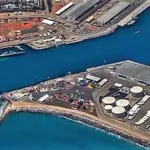

Brazil needs private capital
The Brazilian Confederation of Agriculture and Livestock (CAN) has launched a campaign to encourage private capital which it says is fundamental to modernising Brazil’s ports and improving exports.
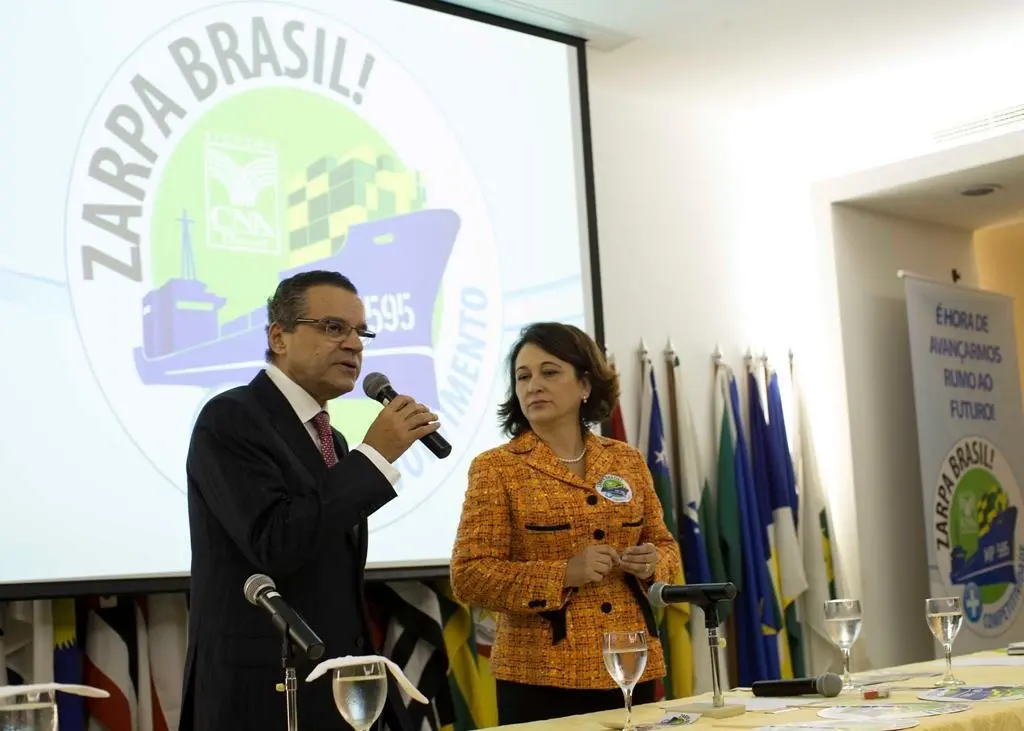
Brazil’s rural producers are warning of “port blackout” and the country’s decreased ability to compete in the international market unless new legislation is passed that proposes the opening of ports to more private money.
CAN says that despite being one of the world’s largest agriculture exporters, the country has made little investment in the port sector over recent years, just R$5bn (US$2.48bn) for the last ten years, resulting in inefficiency and consequently, increased food export costs.
The president of the CNA, Senator Kátia Abreu, said that the country is ranked 130th in terms of port quality, according to the World Economic Forum. She says that Brazilian ports will need to double their capacity within seven years if they are to match the rate of growth in demand seen over the past decade.
The senator argues that the construction of new private ports will increase competition in the port sector, including for public ports. This should lead to a fall in handling costs at the terminals, an increase in port efficiency and operational capacity in order to meet the increase in demand for the coming years.
She said: “Public ports are essential, but cargo transport will double over the next seven years, and this only reinforces the urgent need for more ports.”
Luiz Antônio Fayet, a CNA infrastructure and logistics consultant, believes that one of the port sector’s main problems is the waiting time faced by ships at port when loading or unloading cargo. He said that transport costs in Brazil, from the farm to the port, are four times higher than in the US and Argentina. That difference between Brazil and Argentina, if passed on to rural producers based at the new borders, could mean an additional income of R$6-8 (US$3-4) per sack of soybeans or corn.
Brazil’s agribusiness accounts for 20.2% of the GDP, 37% of the country’s jobs and 37% of its exports. The country is the world’s largest exporter of sugar, coffee, orange juice, soybeans and poultry.
Related Articles
 SOUTH AMERICA
 SOUTH AMERICA
 SOUTH AMERICA