




Crying out for US West Coast collaboration
US west coast ports need to stop looking at the capacity and labour crisis as individual port issues and come together collaboratively to resolve the issue, says financial expert, Fitch Ratings.
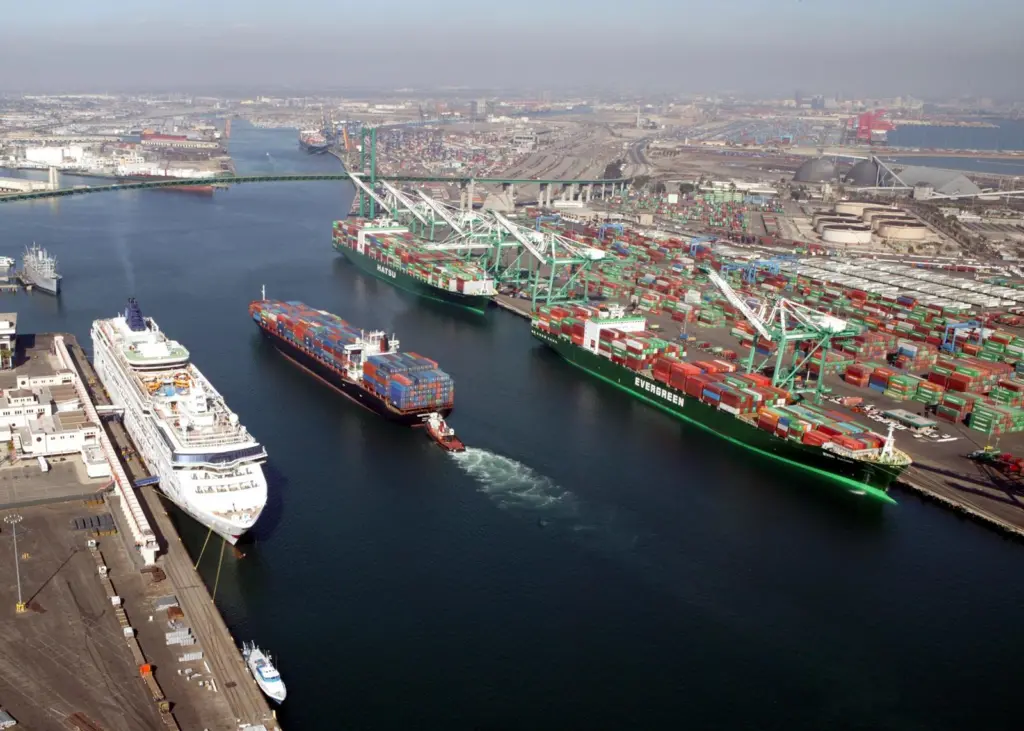
Emma Griffith, director, global Infrastructure and project finance group, Fitch Ratings, told Port Strategy that all parties affected by the gridlock problems at the ports, need to come to the table and work together now or risk losing shippers’ trust permanently.
“Added to the labour crisis which has been going on for nine months, the slowdown which has been affecting ports since last October means that more shippers are considering long term alternatives to the west coast port gateway and taking their business elsewhere,” she said.
She pointed out that there has been a noticeable loss of business to the east coast terminals and to Canada since the problems began. And it’s been costly for retailers too who have been quoted as having to pay anywhere from US$2 to US$10m in additional freight costs due to rerouting cargo, either to the east coast or sending it by air, which is more costly.
But this of course is not as costly as the threat of a full employer lockout, similar to what happened in 2002 (for 10 days), which could have a negative economic impact of US$1bn or more.
“It’s a lose-lose situation for everyone because there is a loss of earnings for the shippers, dockworkers, the operators, ports and the economy,” Ms Griffith said.
Worse still, it builds up a bigger picture for shippers of what to expect from west coast ports when it comes to handling the ever increasing size of ships.
Ports including Seattle and Tacoma and LA and Long Beach have more recently started to work more collaboratively rather than in constant competition but there’s still a long way to go.
Ms Griffith added: “As bigger ships and greater volumes become the new normal, west coast ports would benefit from increased collaboration in their dealings with shippers and alliances. The traditional siloed approach where ports are managed by individual port authorities or municipalities can be inefficient, but in the absence of a national body overseeing port strategy for the US it can be difficult to get all parties on the same page.”
Related Articles
 NORTH AMERICA
 CONCESSIONS & INVESTMENTS