



LNG study creates division
SEA-LNG has called a recent LNG shipping study from UCL a flawed academic exercise, detached from reality.
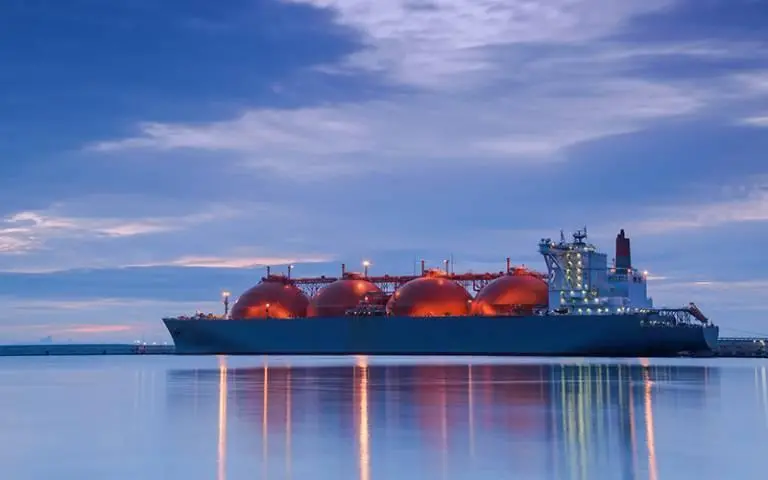
The study, called ’Exploring methods for understanding stranded value: case study on LNG capable ships’, issues a warning over what it calls the ”shipping sector’s costly affair with LNG as a marine fuel.”
SEA-LNG said that in setting out a framework for their analysis the authors make “innumerable contestable and unsupported statements.”
LNG argument
UCL’s study, released at the Marine Money conference during New York Climate Week, found that, if policies that incentivise shipping to decarbonise in line with the Paris Agreement were in place by the end of the decade, the LNG-capable fleet would compete against zero emissions shipping, whilst also being incentivised to switch away from the use of fossil fuel.
Marie Fricaudet, lead author and PhD student at UCL Energy Institute, said: ”This report is a first attempt to extend the research on stranded power generation assets and unburnable fossil fuel reserves to the shipping sector. The longer we leave the LNG transition running and then switch, the more painful it will be and technology lock-in during this crucial decade will create more resistance to change later.”
SEA-LNG accused authors of ignoring the fact that LNG dual fuel engines already provide ship owners with an insurance against stranded assets, as they can burn traditional marine fuels and are currently doing so in Europe as a consequence of the unprecedented spike in LNG prices.
It criticised the study saying that the analysis is based on an assumption that the decarbonisation pathway offered by LNG via bioLNG in the medium term to synthetic, or e-LNG, in the long term, will be less “competitive” than ammonia or other electro-fuels.
”Suggesting a particular electro-fuel will ‘win’ based on price, is reckless and is, at best, a guess at this point in time,” the coalition said. ”The results reported in this study are meaningless, based as they are on subjective, negative assumptions on LNG.”
It pointed out that ammonia is a highly toxic fuel, with a volumetric energy density, approximately 50% that of LNG. Regulatory agencies around the world will need to work to counter the dangers of ammonia to protect seafarers as well as port workers and port communities. Ammonia-fuelled engines are in the very early stages of development with massive uncertainties on issues such as pilot fuel requirements, GHG and NOx emissions and potentially deadly ammonia slip. Addressing these issues will demand significant amounts of time and money.
Also, massive infrastructure investments will be required to produce and deliver e-ammonia and other fuels such as e-methanol and e-liquid hydrogen to the ships that may use it.
”Contrast this to the LNG pathway where the transportation and storage infrastructure already exists and is growing globally,” said the coalition.
”Such flawed analysis can confuse the industry, potentially providing ship owners and investors with justification to sit back, wait and continue to emit GHGs rather than invest in a technology like LNG that offers immediate GHG reductions today together with a clear and competitive pathway to decarbonisation in the decades ahead. Waiting is not an option.”
Related Articles
 ALTERNATIVE FUELS GREENPORT
 ALTERNATIVE FUELS GREENPORT
 ENERGY & TECHNOLOGY GREENPORT