![GreenPort[PortStrategy]](https://www.portstrategy.com/greenport/wp-content/uploads/sites/4/2026/09/GreenPortPortStrategy.svg)
Renewable fuels drive cruise decarbonisation
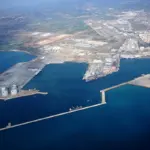
The Port of Barcelona is set to become a pivotal hub for maritime decarbonisation following a landmark eight-year agreement between Repsol and Norwegian Cruise Line Holdings (NCLH) to supply renewable marine fuels to the company’s cruise brands.
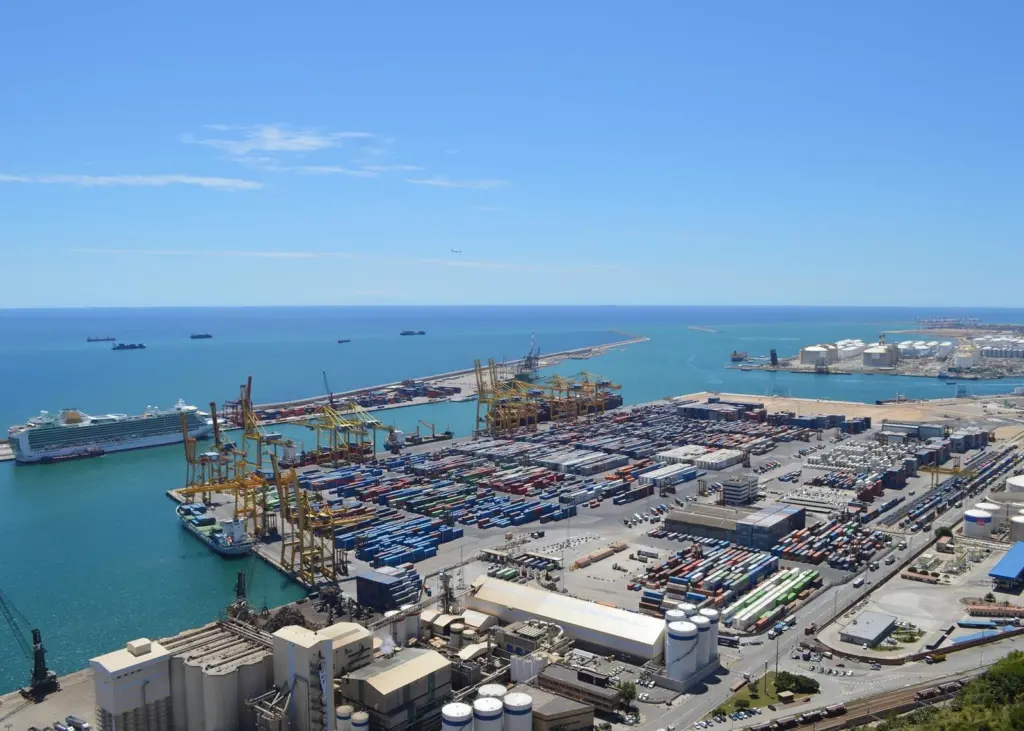
Beginning with the 2026 European cruise season, Repsol will supply biofuels – and from 2029, renewable methanol – directly to NCLH’s fleet, including Norwegian Cruise Line, Oceania Cruises and Regent Seven Seas Cruises during their calls at the port.
“This milestone agreement highlights that renewable fuels are ready to play a key role in reducing the carbon footprint of the maritime sector,” said Juan Abascal, Repsol’s executive managing director of Industrial Transformation and Circular Economy.
“By partnering with NCLH, we show that renewable fuels are already deployable at scale to immediately start reducing emissions at sea.”
The renewable methanol will be produced at Repsol’s Ecoplanta facility in Tarragona which converts urban waste into renewable fuels and circular products, processing 400,000 tons of waste annually. NCLH is the first company to secure an offtake agreement from the facility.
“This partnership is an excellent example of how cross-industry collaboration can unlock meaningful progress,” said Harry Sommer, NCLH’s president and chief executive.
“Securing long-term access to renewable marine fuels at a key European port aligns directly with our Sail & Sustain programme and demonstrates our commitment to a more sustainable future.”
READ MORE: Port of Barcelona launches H2 station tender
The collaboration supports both companies’ Net Zero 2050 goals, underscoring the Port of Barcelona’s strategic role as a testing ground for cleaner shipping fuels.
Related Articles
 ALTERNATIVE FUELS GREENPORT
 ALTERNATIVE FUELS GREENPORT
 ALTERNATIVE FUELS GREENPORT