![GreenPort[PortStrategy]](https://www.portstrategy.com/greenport/wp-content/uploads/sites/4/2026/09/GreenPortPortStrategy.svg)



Rotterdam hydrogen pipeline milestone
Work on a 32-kilometre hydrogen pipeline at the Port of Rotterdam is nearing completion, marking a major step for alternative fuels, hydrogen supply and future-ready port infrastructure.
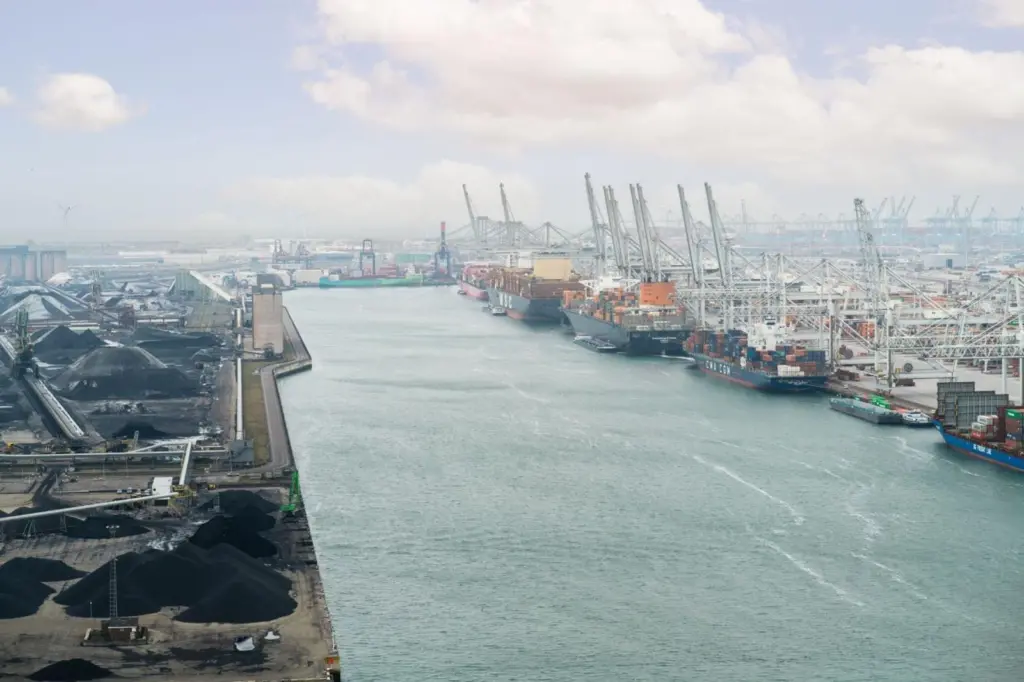
The first section of Hydrogen Network Netherlands, developed by Gasunie subsidiary Hynetwork, will link producers and industrial users from the Maasvlakte to Rotterdam’s wider port and industrial area.
The project underpins The Netherlands’ emerging hydrogen economy, supporting industrial decarbonisation through cleaner energy pathways alongside electrification and carbon capture.
“Now that the final weld has been made, they are finishing up the work. Then the final step will be to connect the pipeline to the hydrogen producers and consumers,” said Mark Stoelinga, manager of energy & infrastructure at the Port of Rotterdam Authority.
Hydrogen supply
The pipeline will initially serve green hydrogen projects at the Maasvlakte, including electrolysers under development by Shell, Air Liquide and Uniper.
Shell is close to completing a 200-megawatt plant that will supply its Pernis refinery, replacing grey hydrogen made from natural gas. Air Liquide is also building a 200-megawatt facility, while Uniper plans a 500-megawatt project, starting with a 200-megawatt first phase.
Demand for hydrogen in Rotterdam is already substantial. Around 20 major industrial players currently consume some 500,000 tonnes annually, largely in grey form.
The new pipeline, with a capacity of 1.2 million tonnes per year, has been deliberately designed to accommodate growth and future international connections to Germany and Belgium.
Beyond production, the Port of Rotterdam Authority is positioning the port as a European hub for hydrogen imports and carriers such as ammonia, reinforcing the role of port infrastructure in scaling alternative fuels.
The first hydrogen is expected to flow through the network in 2026, signalling the start of a new phase in industrial energy transition.
Related Articles
 ALTERNATIVE FUELS GREENPORT
 ALTERNATIVE FUELS GREENPORT
 ALTERNATIVE FUELS GREENPORT