![GreenPort[PortStrategy]](https://www.portstrategy.com/greenport/wp-content/uploads/sites/4/2026/09/GreenPortPortStrategy.svg)
Green shipping corridors
Asia is reaching globally out to create green shipping corridors – routes that use future fuels and digitalisation to enable low and zero carbon shipping.
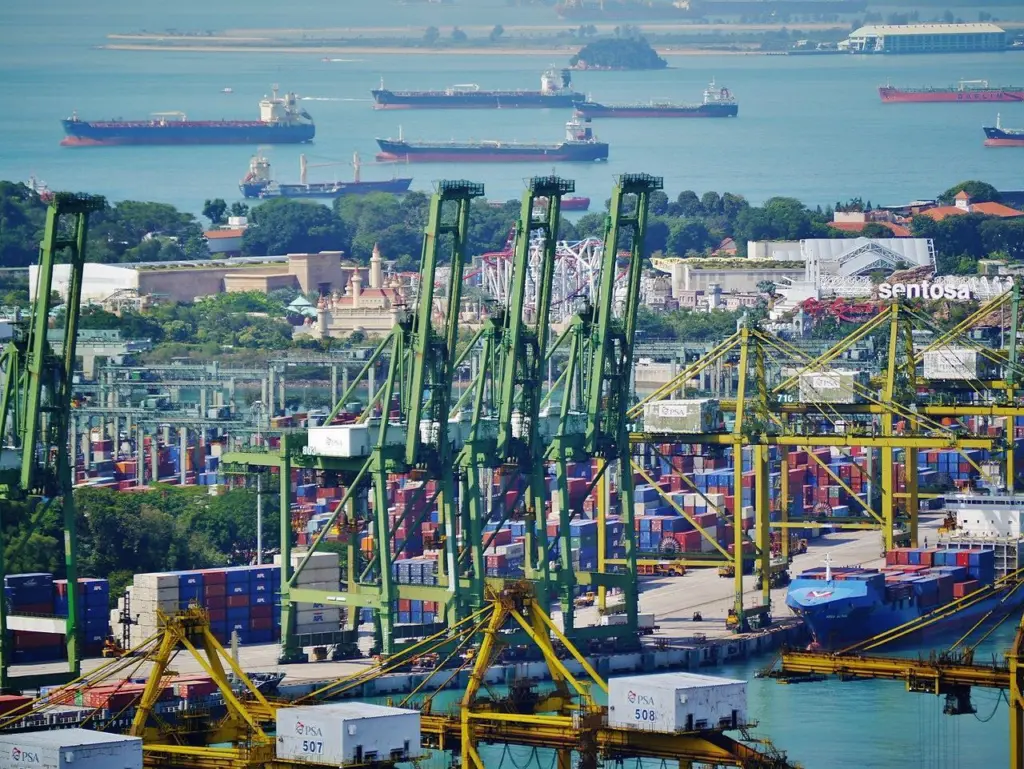
The Maritime and Port Authority of Singapore (MPA) is looking both to Europe and to the USA in order to open up shipping corridors that will support future fuelled vessels.
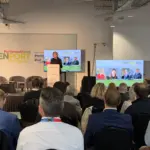
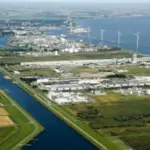
A memorandum of understanding (MoU) signed by the Maritime and Port Authority of Singapore (MPA) and the Port of Rotterdam will focus on the uptake, availability and logistics of future fuels.
“Shipping is among the most important industries to decarbonise, owing to its large international reach and volume, which continues to grow. By bringing together parties across the supply chain along one of the world’s biggest trade lanes, we can enable carriers to switch to zero-carbon fuels and speed up the transition to more sustainable shipping,” said Allard Castelein, CEO of the Port of Rotterdam.
Coalition
The issue to tackle is that each future fuel has its own challenges relating to costs, availability, safety and restrictions in range due to lower energy density compared to fossil fuels. To tackle these challenges, the two port authorities will work together with shippers, fuel suppliers and other companies to collectively work on potential solutions.
Beyond alternative fuels, the MoU also aims to optimise maritime efficiency, safety and the transparent flow of goods by creating a digital trade lane where relevant data, electronic documentation and standards are shared. This should facilitate the seamless movement of vessels and cargo and optimise just-in-time arrival of vessels from port to port.
The port authorities will work with the Global Centre for Maritime Decarbonisation and the Mærsk Mc-Kinney Møller Center for Zero-Carbon Shipping as action partners, as well as other industry partners across the supply chain, including bp, CMA CGM, Digital Container Shipping Association, Maersk, MSC, Ocean Network Express, PSA International and Shell.
It’s hoped this will enable the Green and Digital Corridor project to raise investment confidence, attract green financing and kickstart joint bunkering pilots and trials for digitalisation and the use of low- and zero carbon fuels along the route.
Trans-pacific
Meanwhile, MPA has also begun discussions to establish a green and digital shipping corridor between Asia and the USA.
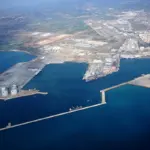
Together with Port of Los Angeles, Port of Long Beach and C40 Citie, it wants to establish the corridor between Singapore and the San Pedro Bay port complex.
“The trans-Pacific corridor is one of the busiest trade routes in the world,” said Teo Eng Dih, chief executive of MPA.
”Through this corridor, we hope to support the decarbonisation of global supply chains, complementing efforts undertaken by the industry and the International Maritime Organization to drive the decarbonisation and digital transition for international shipping.”
This corridor will once again focus on low and zero-carbon fuels for bunkering, as well as digital tools to support deployment of low and zero-carbon ships.
In addition to reducing greenhouse gas emissions, the green and digital shipping corridor aims to catalyse investment in green infrastructure, including zero-carbon energy hubs linked to port and shipping demand.
“Reducing greenhouse gas emissions in the maritime supply chain is essential, and this trans-Pacific partnership will help us build a network of ports and key stakeholders to help decarbonise goods movement throughout the Pacific region,” said Gene Seroka, executive director, Port of Los Angeles.
This collaborative effort supports the Green Shipping Challenge launched during the World Leaders’ Summit at the 27th United Nations Climate Change Conference (COP27) in Sharm el-Sheikh, Egypt.
Related Articles
 ASIA GREENPORT
 PRODUCTS & SERVICES GREENPORT
 ALTERNATIVE FUELS GREENPORT