
Port of Gothenburg invests in rail electrification
Port of Gothenburg investment will improve rail efficiency, increase capacity and reduce emissions through terminal electrification
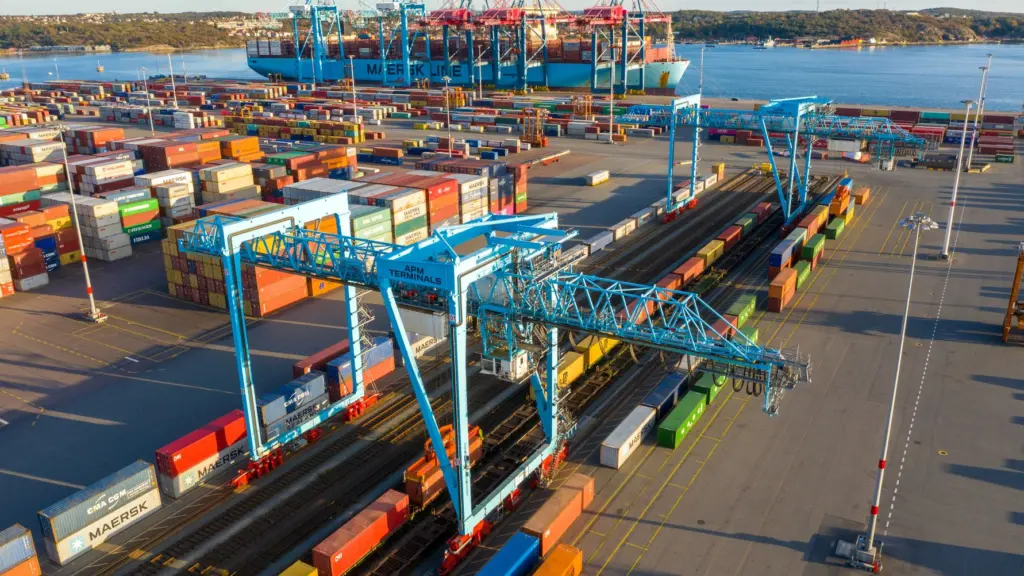
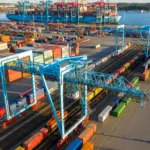
The Port of Gothenburg is investing in new overhead line infrastructure at its container terminal, enabling electric locomotives to operate directly to and from the facility while improving rail capacity, efficiency and environmental performance.
The project will eliminate the need for diesel locomotives and reduce detours through the port departure yard, creating faster, more efficient rail movements as freight volumes continue to grow.
“It is very positive that the final stretch into the terminal is now being electrified. When electric locomotives can run all the way to our fossil-free container handling operation, another fossil fuel dependency is removed from the transport flow,” says Birna Ödefors, managing director of APM Terminals Gothenburg. She adds that the development will help customers reduce transport emissions and strengthen rail as a sustainable and competitive alternative.
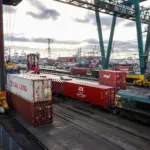
The container terminal, operated by APM Terminals, handles approximately 80 trains each week, connecting the port with more than 20 destinations across Sweden.
Rail freight demand is increasing, with a record 529,000 teu transported to and from the port by rail last year. Volumes have continued to rise in 2026, increasing pressure on existing infrastructure.
The electrification project is expected to reduce container train turnaround times by up to 30 minutes and improve the port’s ability to handle trains measuring up to 750 metres, compared with the current 630-metre limitation at the departure yard.
“This will be an important step in strengthening the competitiveness of rail in the port. Through more efficient traffic arrangements, we can create better conditions for both growth and sustainable transport,” says Robert Sommar, railway manager at the Port of Gothenburg.
The investment includes approximately 1,250 metres of overhead lines, 38 supporting masts and associated foundations. Upgrades to level crossing protection systems and a new emergency access road are also planned to improve safety and operational resilience.
Construction is scheduled to begin in 2027.
Related Articles
 DECARBONISATION & SHOREPOWER
 DECARBONISATION & SHOREPOWER