![GreenPort[PortStrategy]](https://www.portstrategy.com/greenport/wp-content/uploads/sites/4/2026/09/GreenPortPortStrategy.svg)


A ballast water compliance warning
Ballast water management is shifting from system installation to operational performance as ports face increasingly complex water quality challenges and stricter port state control inspections.
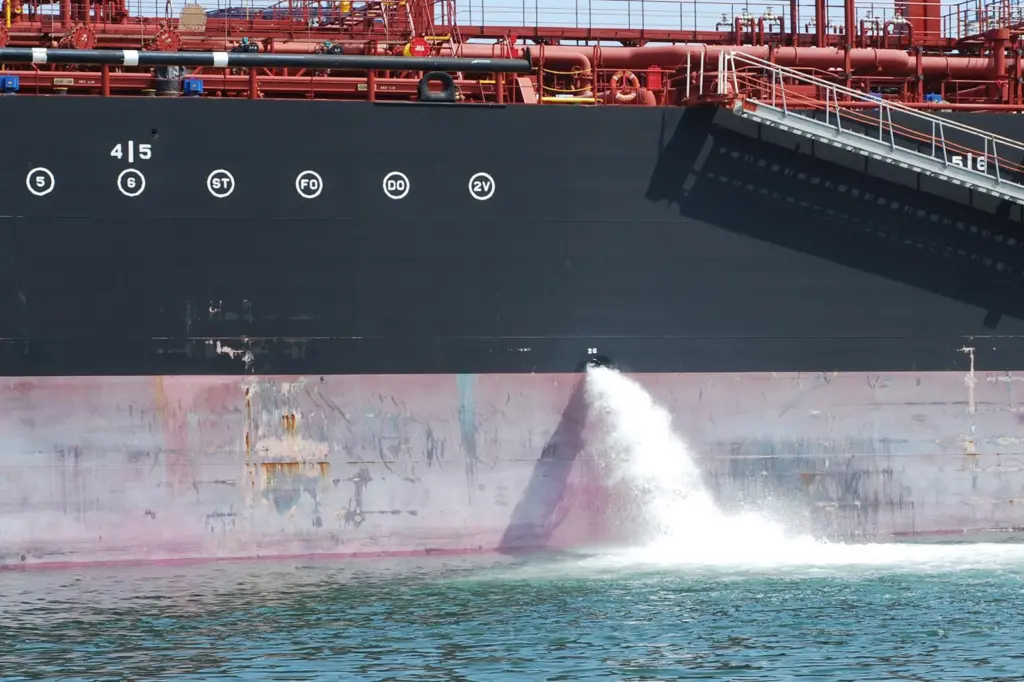
BIO-UV Group says the industry’s focus is moving beyond certified equipment towards ensuring compliant ballast water management in real-world port environments.
”The ballast water management landscape has advanced significantly, but the industry now faces a transition from installation to operational excellence,” said Charlène Ceresola, BWT project manager at BIO-UV Group.
”The systems work and the regulations are clear, but compliance will depend on the competence of crews, the reliability of equipment support and the adoption of new technologies that bring transparency to treatment performance.”
Operational compliance
Challenging water quality, evolving regulation and growing demand for port-side treatment services are reshaping how ports and ship operators maintain compliance while protecting marine ecosystems from invasive species.
The issue according to BIO-UV, is that ballast water management failures increasingly stem from operational factors rather than equipment certification.
Port state control inspections assess the complete ballast water management process, including crew procedures, maintenance, documentation and vessel operations.
Water quality in many ports also presents significant challenges, particularly in river locations where turbidity, sediment loads and low salinity can complicate water treatment during ballasting.
The company highlighted the IMO’s 2024 guidance for operations in challenging water quality, which allows vessels to undertake alternative treatment procedures where necessary, provided these are properly planned and documented.
Meanwhile, discussions at MEPC84 in April 2026 examined updates to ballast water management system testing under challenging water conditions to better reflect operational realities.
BIO-UV expects port-side ballast water treatment to become increasingly important as ports strengthen environmental compliance and operators seek reliable alternatives when onboard systems experience technical failures.
The company also believes real-time biological monitoring could improve water treatment verification, enabling ports to confirm discharged ballast water meets environmental standards before release.
Recent port state control campaigns cited by BIO-UV indicate ballast water management systems account for 46% of detainable deficiencies, ahead of crew training (21%) and Ballast Water Management Plan deficiencies (15%), underlining the growing importance of operational performance in maintaining compliance.
Water quality will be under the spotlight at this year’s Greenport Congress taking place at Portsmouth Port UK from 7 to 9 October 2026.
Related Articles
 ENERGY & TECHNOLOGY GREENPORT
 ENERGY & TECHNOLOGY GREENPORT
 PRODUCTS & SERVICES GREENPORT