
COMMENT: It’s not enough that developers snap up waterfront land at any opportunity and throw up condominiums at a jaw-dropping speed to take advantage of the premium buyers will pay for a watery view, regardless of the impact on the port, writes Carly Fields.
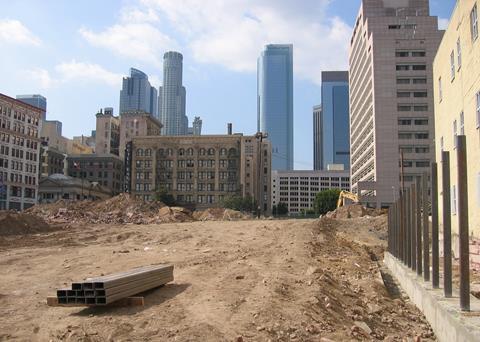
City ports have been at odds with the plans of developers for decades. House builders know that a waterfront property sells for tidy profit, but the 24/7, relatively noisy operations of the nearby port are conveniently swept under the carpet. It’s only when residents – who have parted with a pretty penny for that elite location – move in that the port becomes public enemy number one.
Now development on inner city areas is also threatening port productivity as gentrification threatens to choke freight corridors servicing terminals. This next skirmish in the port versus property developer war sees inner urban areas in capital cities and regional centres encroaching on land access to and from the ports.
The issue is highlighted by a Ports Australia report, Leading Practice: Port & Supply Chain Protection, but the threat is applicable to city ports worldwide.
Gentrification has meant that those premiums normally reserved for the waterfront postcodes have been extended to cover ‘up-and-coming’ inner city dwellings. The report found that in Sydney and Melbourne, a dwelling 50 kms from the city centre has doubled in value in real terms since 1986, while one close to the central business district has increased more than five-fold.
Concentrated development in these areas brings a whole host of problems for ports. Landside networks and seaside linkages need to be protected from “inappropriate land uses, encroachment and consequential conflicts with passenger traffic”, according to the report.
Of course city ports can’t dictate that large swathes of the surrounding city are kept clear for their own benefit, but they should be on top of wider planning trends beyond their gate, especially on the freight corridors and chokepoints.
If ports don’t get involved at an early stage, they face the wrath of newly ensconced residents, who will be just as demanding as their waterfront residential allies. Make planning departments aware of freight and infrastructure corridors that serve the port and, crucially, the implications if those are restricted by misaligned development. No planner wants to be the person that signed off on urban development that increased city emissions as freight servicing the port was forced to crawl through the central business district. Imagine the anger of the proud owners of those newly-built dwellings that now overlook a truck queue they inadvertently created.
Be a step ahead and identify the corridors necessary to service today and tomorrow’s handling. Then angle for statutory protection of freight nodes and infrastructure corridors – it’s ultimately to everyone’s benefit in the long run.