
The world is under stress.
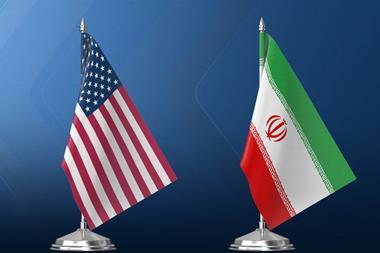
Erratic actions emanating from the White House generate big challenges.
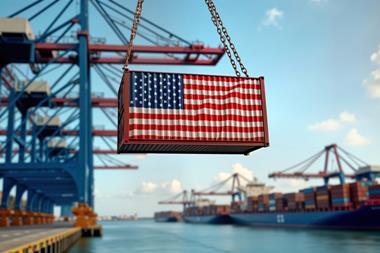
Tariffs play havoc with supply chains – delays, congestion, added costs to businesses and consumers and general uncertainty are all negative consequences. Add into this volatile mix some select actions such as added port fees on Chinese built ships calling in the US – US$18 per ton or US$120 per container (whichever is greater) - and the prospect of more similar actions, a 100% additional tariff on Chinese built cranes bound for the US, for example, then it is clear that a new, problematic, trading climate is fast developing.
Plus, factor in the madness underway in the Middle East and the war with Ukraine being pursued, relentlessly it seems, by Russia then the seeds of change become even more distinct. Personally, I just don’t get why the largest country in the world – Russia – wants to grab even more territory?! It is not as if the addition of Ukraine land area will lead to the major enrichment of Russia as a whole. Indeed, achieving the limited gains it has to date has been made at a phenomenally high cost – in life and limb for the Russian people and in all probability increasing economic chaos. For what, the misguided dream of reinventing the USSR? Why? History tells us it proved to be a ‘busted flush, by no means utopia!
Then there is China growing in economic power and with sights set on achieving the status of World Number 1. This too is driving change, notably via BRICS, which has the stated goal of growing in political power and becoming a real and influential counterweight to the influence of the West. As it has expanded, however, this has prompted more internal disagreements on key issues such as the Ukraine war. Additionally, the very fact that BRICS includes Pariah states such as North Korea, Iran and today Russia is also a reality that does not sit well with every member.
The geopolitical card is very much in play in today’s trading world underpinned by a general rise in authoritarianism.
It will be most interesting to see how things develop, economists seem to suggest it will get worse before it gets better – it is hard not to disagree with them.
Certainly, if you bring it all down to an industry level the same scepticism about the future is there. As Drewry notes (see p33), “Overall, all we can do is express sympathy with port executives and the rest of the supply chain that are trying to map out the game plan…”