



Challenging times for ports as energy hubs: Bilbao in the mix
The sustainable port congress in Bilbao was an excellent opportunity to take stock of the many initiatives to move towards more sustainable ports.
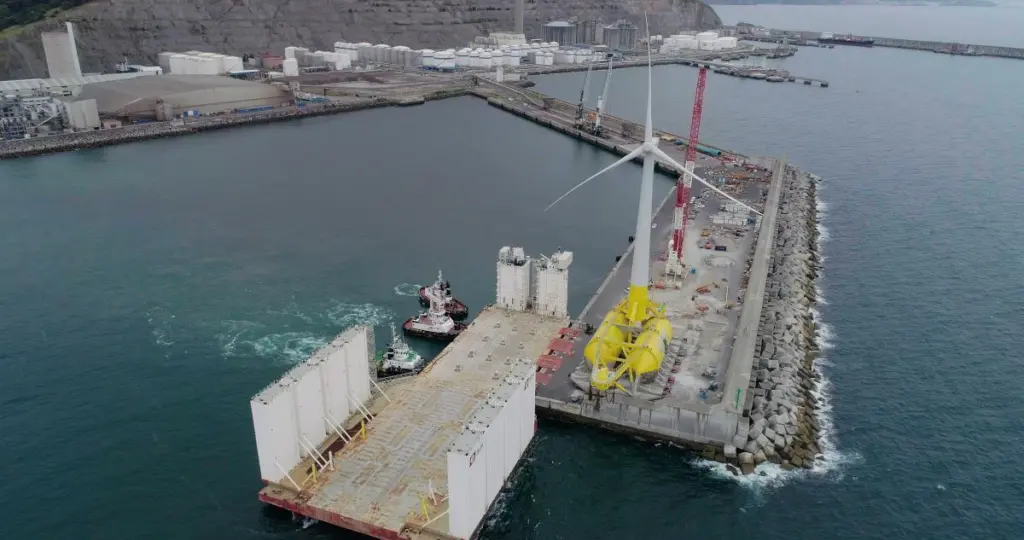
Bilbao is an excellent case to show the impact of the energy transition on the port business ecosystem. The port, which historically was an important element in the region’s steel industry, and which was used to import and export coal, iron ore and steel, was redeveloped following the decline of the steel and related industries in the 1970 and 1980s. Currently, the port consists of a variety of terminals, logistics, manufacturing and leisure companies, all of which are impacted by the gradual transition towards a sustainable ‘net-zero’ economy.
In recent years, the role of Bilbao’s port as an energy hub has expanded. The port is home to a large offshore wind manufacturer (Haizea Wind Group), a terminal for biofuels (sustainable fuels produced from biomass), a LNG terminal, developed amongst other roles to serve LNG fuelled ro-ro vessels, as well as a Petronor synthetic fuels demo plant, aimed at developing technologies for efficient and competitive large-scale production of e-fuels. Such e-fuels, like e-methane, e-kerosene and e-methanol, are produced from renewable electricity converted into hydrogen. This is done in an electrolyser developed nearby. These different initiatives are complementary and interdependent and all of them have emerged through partnerships between the port, the regional government and energy companies.
All these initiatives take place in a constantly evolving energy landscape, with some recent indications suggesting the energy transition may take longer and may need more policies to make sure it goes hand in hand with competitive energy prices. For instance, various countries and oil companies have rolled back initiatives to move away from fossil fuels, while some sustainable energy producers have downscaled investment plans and shipping companies have moved away from a fast transition to net-zero fuels and towards the use of LNG as a transition fuel. In this landscape, the path to develop ports as energy hubs requires both a bold sustainability roadmap and the flexibility to adjust and adapt along the way.
Related Articles
 INSIGHT & OPINION
 PORT & TERMINAL NEWS
 INSIGHT & OPINION