



DPW Australia – annus horribilis
Strikes, tax avoidance allegations, a cyber-attack and heavy criticism of new terminal access charges; 2023 is shaping up to be an annus horribilis year for DP World Australia
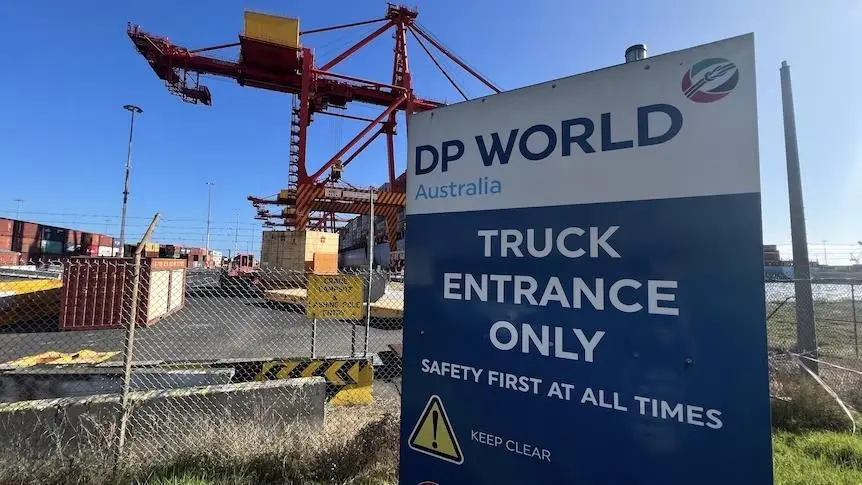
DP World Australia, operator of container terminals in Melbourne, Sydney and Brisbane, has problems stacking up which would challenge the mettle of any PR man.
It is in the middle of an industrial dispute with the Maritime Union of Australia (MUA) which continues to impair its ability to provide efficient service. The week ahead will see stoppages and work bans including a 24-hour strike in Sydney on Friday.
Coupled with this action, the end of October saw Australia’s Guardian newspaper publish the findings of a new report by the Centre for Corporate Tax Accountability and Research (CICTAR) which states the company has paid no corporate tax in Australia despite generating revenue of in excess of A$4.5 billion over eight years. CICTAR additionally alleges DPW Australia may have achieved this zero-tax position through tactics such as “artificially reduced profits” and inflated management charges. CICTAR also reports that DP World’s Australian ownership structure, “relies on extensive use of shell companies in tax havens, including the Netherlands and the Cayman Islands…”
For its part, DP World has responded with a general statement that it has played an important part in maintaining the smooth functioning of the Australian economy. “Efficient cross-border goods movement is essential for the country’s economy, with numerous businesses of all sizes, from Australian farmers to major retailers, depending on this interconnected system,” said DP World. There was no specific rebuttal of the tax allegations.
CICTAR is an organisation established by a number of trade unions and community organisations with a remit to focus on the tax arrangements of multinationals and to disseminate this information to the Australian public in order for them to be better informed.
The MUA DPW Australia dispute centres on the company’s wish to introduce a more flexible work roster system involving more weekend work. At the time of writing, there are no signs of compromise with the MUA rolling out new strikes at multiple locations and DP World saying it doesn’t believe it can engage in constructive negotiations while the strikes continue.
It is not illegal for companies to pay zero corporate tax under certain circumstances but it pose the thought that it is hardly an attractive element for a host country seeking wide-ranging postive economic impact from the granting of port concessions.
Meanwhile, last week saw DPW close its Australia wide landside operations for three days from last Friday following a cyber attack with operations only resuming yesterday (Monday) on a basis where they will be ramped up in phases following confirmation of system integrity. Investigations are continuing regarding the attack with DP World acknowledging that, “some data was exfiltrated from our network.” Recovery at Port Botany is expected to take two to three weeks.
As if all the forgoing is not enough to contend with, DP World has faced a storm of criticism following announcing its intention to substantially increase its terminal access charges (for landside transport operators) at its Melbourne, Sydney and Brisbane container terminals. Already a big bone of contention, DPW plans a 52.5 per cent increase in terminal access charges at Melbourne, 37.5 and 26.2 per cent increases respectively for exports and imports at Brisbane and similarly 38.8 and 25.5 per cent increases at Sydney.
Terminal access charges are a hot topic with moves afoot to seek regulation in this area to contain escalating charges. DPW’s big uplift in charges is seen in some circles as a move designed to attain a certain level in advance of any new regulations of containment efforts generally that might apply.
Related Articles
 INSIGHT & OPINION
 PORT & TERMINAL NEWS
 INSIGHT & OPINION