The Houthi entrance into the Gaza conflict changed the fundamentals of global trade and in turn economics. How easy it is to create chaos.

As we entered the final quarter of 2023, carriers were forecasting much reduced, even negative EBITDA for 2024 as excess capacity and a large order book was driving down freight rates. Cargo volumes were also flat with little growth on the horizon except possibly in the United States. The idea of port congestion around the world was not even on the horizon.
European countries were struggling to generate economic growth, with most either flatlining or slowly tipping into recession. Politically the issues surrounding populism and the voters feeling of being ignored and left out was pushing voters to support right wing, anti-immigrant parties in Sweden, The Netherlands, Belgium, Germany, Italy and the list goes on. The war in the Ukraine was trudging along with no end in sight, only the arms industry was in expansion. Climatic conditions were also unpredictable with either too much or too little water in European canals and rivers.
And then came October 7th and the ensuing war in Gaza which still drags on after nine months. And with the war came the Houthi’s in Yemen armed with top of the line weapons of war. As they decided to stop trade with Israel, they failed to discriminate vessel voyage origins and destinations thereby devasting the Suez Canal traffic by 60 per cent or more. Immediate losers were Egypt and the Saudi Red Sea Ports.
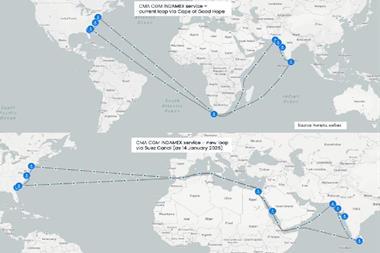
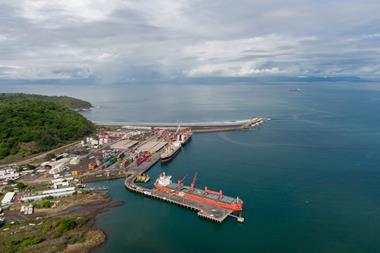
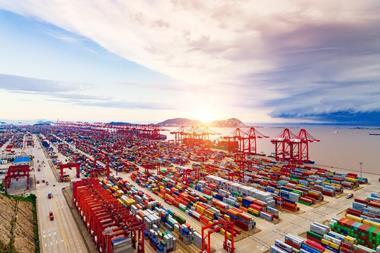
By November vessel owners with networks to and from Asia, began to use the Cape of Good Hope to reach Europe, the Mediterranean and the northern Red Sea ports. What should have been a relatively straightforward network realignment became difficult when trying to match required capacity with that actually available. Going into the 2nd quarter of 2024 we saw port congestion as vessels from different routes were showing up and with equipment out of place.
As a result, freight rates soared to eye watering heights, beyond levels reached during the Pandemic for all types of vessels. The bonanza in freight earnings and panic reactions of shippers looking for cargo space at any cost in order to keep their logistics supply chains intact brought peak season cargoes forward thereby worsening the situation.
Carriers that had been projecting losses were suddenly flush with funds again and continued on their spending spree to expand their business more horizontally.
Political uncertainty with chaos in France, the U.S. and a weak government in Germany are all adding to the uncertainty. Where are we going from here? Most likely the market volatilities and political uncertainties will continue, and this will certainly impact consumer demand, but this may take a while leaving the second half of 2024 unchanged from the first half. Good for some, bad for others.