
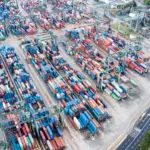





Its not always down to fuel efficiency
The rising cost of diesel fuel and the availability of more fuel efficient new pieces of equipment arent factors necessarily undermining the second-hand market.
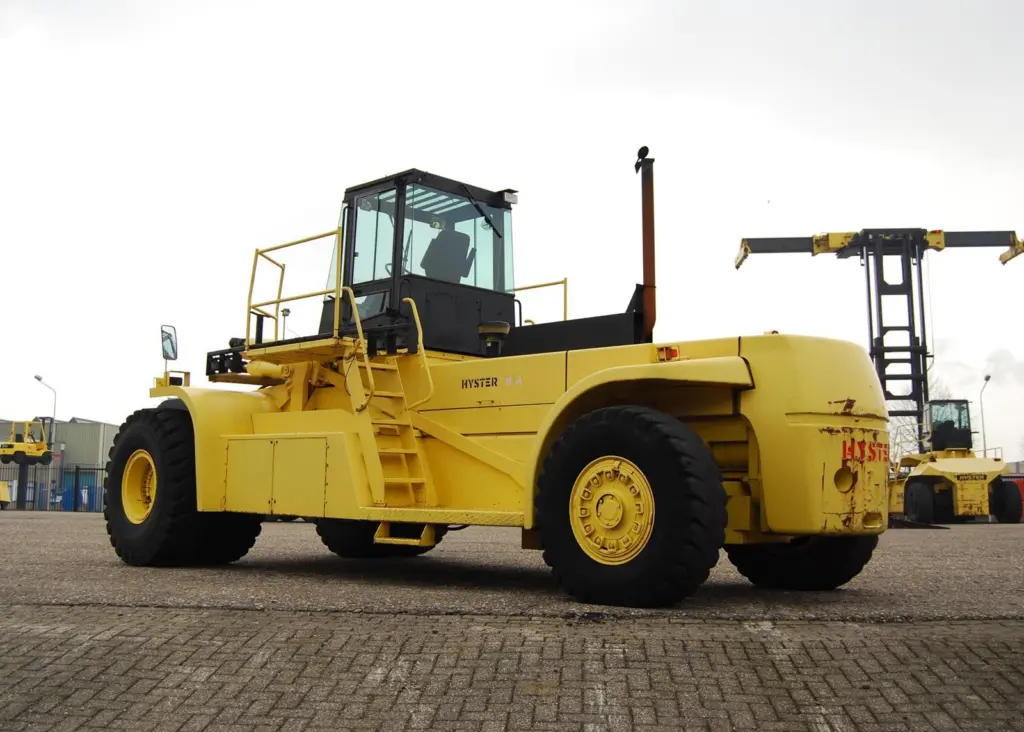
“If somebody wants a heavy usage machine, it makes sense to buy new, since you would get a much more fuel efficient engine. But for low volume and low usage operators the cost of a new machine can’t be justified, whereas second-hand equipment can,” says Port International Equipment’s chief executive Terry Troutman.
He cites a recent example, whereby Port International was able to sell a 1974 unit for $25,000 to an operator who wanted equipment for very limited use and was reluctant to shell out $1m for something new. Age, argues Mr Troutman, need not be a factor if usage is limited to a handful of duties each month.
Portunus sales director, Önder Türker concedes that an RTG built in 2011 would use around 50% less fuel than one built in 1996. In addition, fitted with eco-drive systems and energy saving devices, the gap is definitely widening. Nevertheless, if the customer lives in an oil-producing country, these considerations are unimportant.
“Other customers are so cash-strapped that new equipment prices will never be affordable,” he says.
Similarly, Tito Lifttrucks’ Roy Tito affirms that equipment fitted with less fuel efficient engines remains very price competitive and that there will always be operators that absolutely have to buy second-hand, simply because they don’t have sufficient capital to acquire new equipment.
“For them, whether the machine has a fuel efficient engine or not is entirely irrelevant.”
Related Articles
 CONTAINER & CARGO HANDLING
 TERMINAL OPERATIONS
 CONTAINER & CARGO HANDLING