






NEW PORT PERFORMANCE INDEX – GOOD TRY BUT WRONG
COMMENT: The World Bank and IHS/Markit Container Port Performance Index is well off the mark and does not reflect reality, writes Ben Hackett.
According to the World Bank unveiling of its Container Port Performance Index (CPPI), developed in association with IHS/Markit, its press release stated: ‘The report scored ports against different metrics, making the efficiency ranking comparable around the globe by assessing and standardizing for different ship sizes and container moves per call.’
The index is based on time of vessel arrival to time of departure and uses a number of factors within that window to create an index assumed to indicate a measure of productivity. The results are very surprising and highly unlikely to provide a reliable indication of the reality of individual port performances across vessel size categories and box movements amongst other measures. The surprising result of the index is so counter-intuitive that it can be considered, sadly, unrealistic and not very meaningful.
The 351 ports are ranked primarily on dwell time of the vessel. When you see Savannah ranked at 279, followed by Hamburg, then Felixstowe at 313, Prince Rupert at 330 and Long Beach at 333 then your gut tells you that this is not a valid index for assessing ports. In the extreme it can be seen as “garbage in garbage out” based on the weights given to the various variables used.
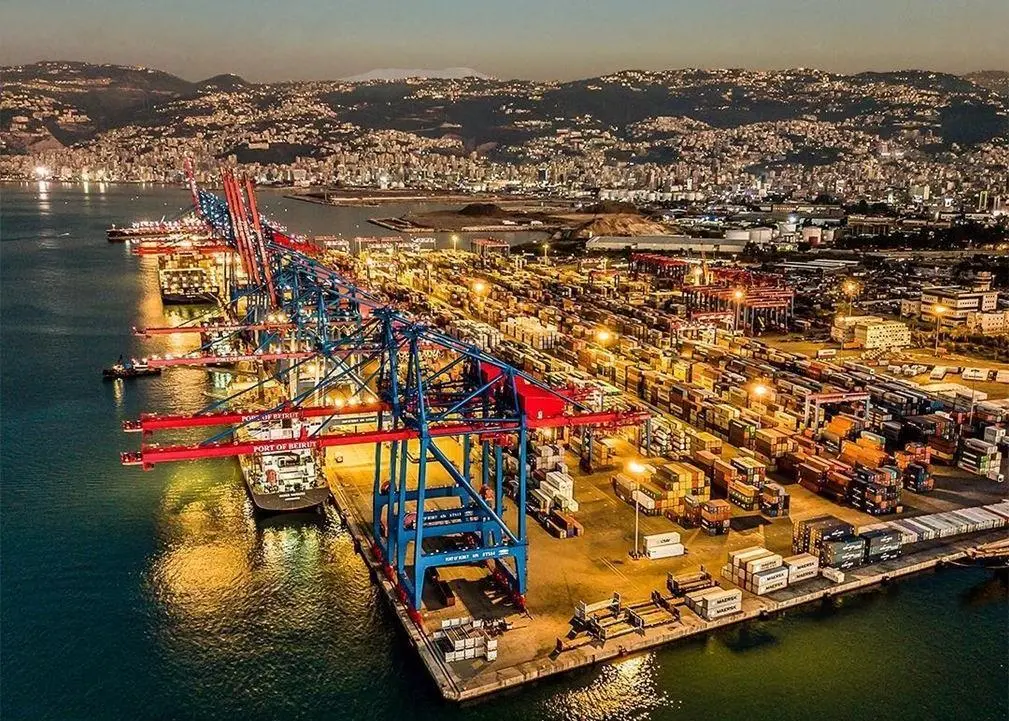
The index also does not separate out ships in excess of 18,000 TEU nor take account of any large container shifts per vessel call linked to these ships. It is hard to see how a port, terminal, investor, beneficial cargo owner or carrier can find much utility in this index when Saigon comes in at 137th and Beirut ranked as the 11th most productive. In short, we should not jump to hasty conclusions as some members of the press corps and commentators have done.
The index needs a lot of effort putting in order to create a working tool and the World Bank and HIS/Market must focus on bringing reality to the product. Meanwhile, the COVID-19 pandemic seems to be a very short term issue for the maritime industry as cargo volumes grow in double digit figures, carriers financial returns are astronomic and economic growth in the UK and the USA expands towards pre-pandemic levels.
Related Articles
 INSIGHT & OPINION
 INSIGHT & OPINION
 INSIGHT & OPINION