




New port waste solution enters market
A new Norwegian technology is helping to solve pollution problems in ports by collecting waste from the water surface.
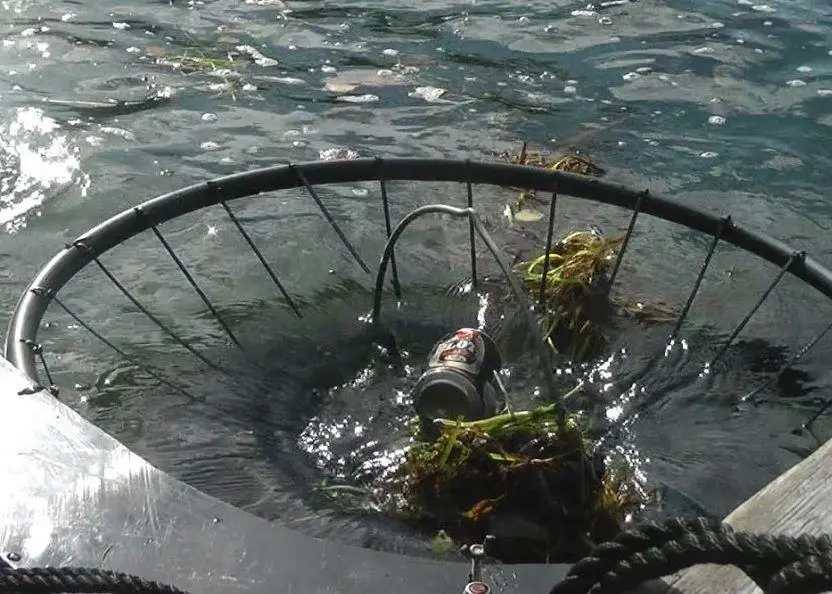
Four ports in southern Norway are now using the PortBin solution which is in effect a weir skimmer for marine waste for use in the ports “debris bays”.
“Our goal is to collect most of the waste and encourage the adoption of a simple, effective cleaning tool that will bring environmental and social benefits,” said Trond Lindheim, manager of SpillTech, the Sandefjord-based company behind the new technology.
Littering is having an impact on water quality in Norwegian ports. Some areas are becoming increasingly polluted, he said.
Pollution toolbox
“SpillTech aims to create a complete toolbox for coastal marine waste and is currently developing a range of tools together with customers who are committed to protecting our waters. This applies to both seabed solutions, efficient collection from small work boats and autonomous solutions. PortBin Fix is just the first tool.”
SpillTech has been working over the past year in cooperation to development the technology with the Port of Sandefjord, receiving support from Innovation Norway.
The waste collector works on the principle of weir-type skimmers. It creates a suction on the surface that allows it to collect waste in a 30-litre container, which is then emptied manually when needed.
Development
“An important aspect of the development work has been to ensure that the equipment is easy to handle, and yet robust enough to withstand the environment. This is key because, even inside a port, seawater, wind and waves can provide quite harsh conditions,” added Mr Lindheim.
The waste collector is run by onshore power. Beta tests were carried out earlier this year and PortBin is now being used in several ports, including Kristiansand, Bergen, Bærum and Sandefjord and Copenhagen.
SpillTech is now looking to collaborate with Norwegian and international municipality and private sector organisations and industry partners who can explore further applications of this technology.
Related Articles
 EQUIPMENT
 ALTERNATIVE FUELS GREENPORT