




Audit tool helping LNG bunkering quality
The Port of Rotterdam has estimated that by 2020 it will have granted nine licenses to LNG bunker providers to operate onsite with the help of the IAPH LNG bunkering audit tool.
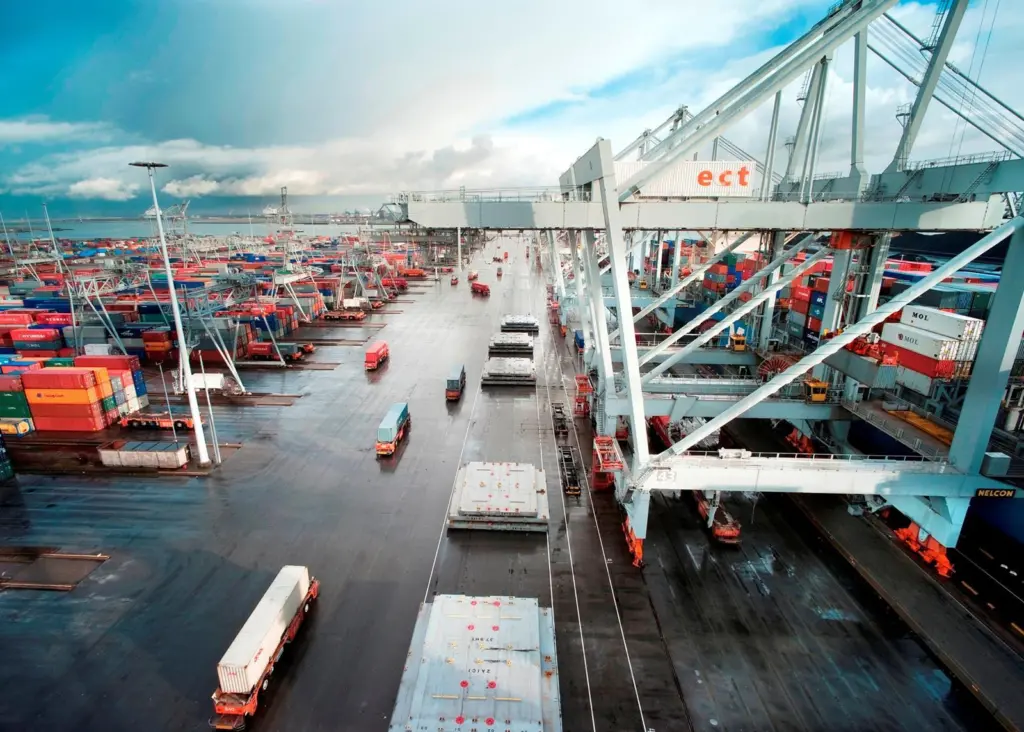
Cees Boon, senior policy advisor at the harbourmaster policy department of the Port of Rotterdam said that the IAPH audit tool has already been used to license operations.
He stated: “By 2020, our estimate is that we will have granted nine licenses to LNG bunker providers to operate at the Port of Rotterdam; six of the licenses are already for regular use in port LNG bunker operations to refuel LNG-powered cruise, cargo, tanker and container vessels. Three licenses will be for bunker vessels that will operate on the spot market.”
Working group
Mr Boon is a member of the IAPH Clean Marine Fuels Working Group which put together the audit tool with the support of the industry. This includes an oil major, a key operator, a classification society, LNG bunker owner-operators and some of the world’s largest port authorities.
“By using best practice guidelines in the IAPH audit tool developed by ports for port authorities, licenses to operate can be efficiently assessed and granted to professional LNG bunker operators looking to provide their services across several ports,” said Mr Boon.
By following a systematic and highly detailed process of checks on both LNG bunkering vessels and the operator, the Port of Rotterdam used the IAPH Audit tool to efficiently pre-qualify an applicant before entering into the full process of HAZID/HAZOP risk assessment, location, mooring, simultaneous operations and external risk assessments.
Mr Cees commented: “We found that by having operators answer a detailed list of questions from the IAPH audit tool, we could offer concrete observations as constructive feedback as to how they measured up to industry best practices at an early stage. This also allows operators and vessel owners to build these into their safety management systems prior to the main nautical and external safety studies taking place on location.”
He added: “Once a license has been granted to a bunker operator and vessel owner, the result of the IAPH LNG audit tool can also be shared with other port authorities receiving applications from the same parties.
The IAPH tool could in theory be used to assess the same operator and LNG bunker vessel owner across several ports, he stated.
Related Articles
 ALTERNATIVE FUELS GREENPORT
 ALTERNATIVE FUELS GREENPORT
 ALTERNATIVE FUELS GREENPORT