



Fourth Gas Fuelled Ships conference closes to acclaim
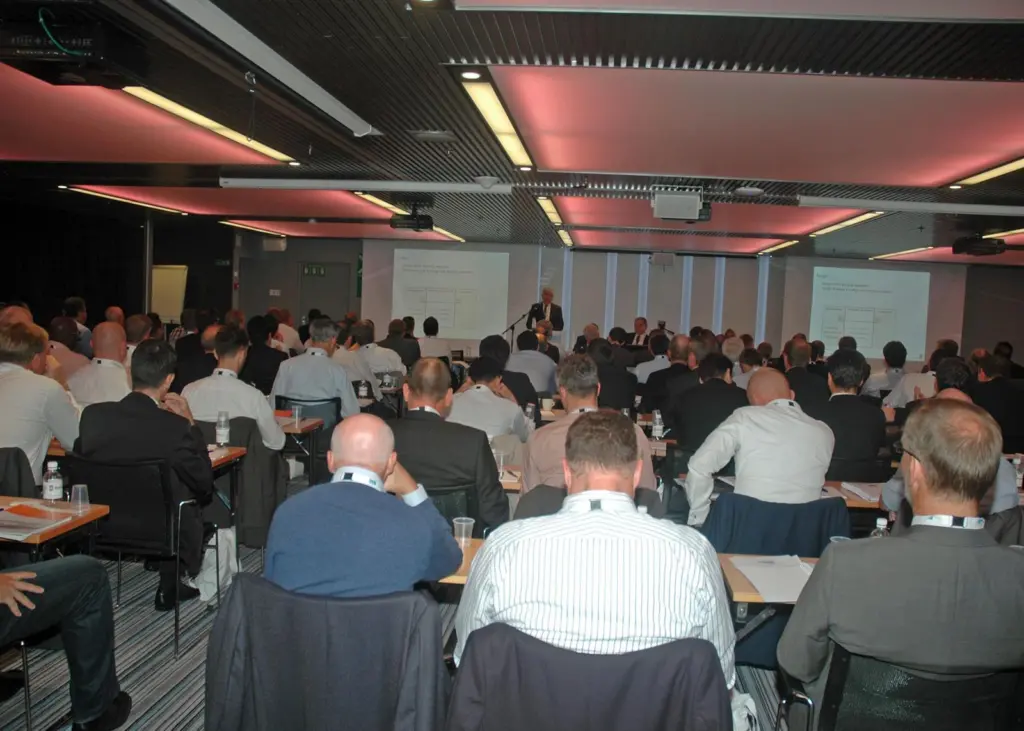
The fourth Motorship Gas Fuelled Ships conference concluded on 12 September, and all of the 150-plus attending voted it a great success.
Not least among the many features contributing this was the chance to experience life onboard an actual gas fuelled ship, the cruise ferry ‘Viking Grace’ which proved a perfect ambassador for the advantages of LNG as ship fuel.
The fourth Motorship Gas Fuelled Ships conference concluded on 12 September, and all of the 150-plus attending voted it a great success. Not least among the many features contributing this was the chance to experience life onboard an actual gas fuelled ship, the cruise ferry ‘Viking Grace’ which proved a perfect ambassador for the advantages of LNG as ship fuel.
In the final afternoon of the conference, with the ship sailing between Stockholm and Turku, Paul Blomerus of US company Westport Innovations described the use of his company’s high pressure engine technology in an ocean-going escort tug application, including a business case for LNG propulsion for such vessels and the expected potential market.
The use of LNG fuel could reopen the business case for gas turbines as ship propulsion – a type of engine that enjoyed a brief popularity in cruise ships and fast ferries until rises in fuel costs made turbines less attractive. The small size and high power density advantages remain, and the recent success of Incat’s Francisco 58-knot fast ferry for Buquebus in South America, powered by GE LM2500s running on LNG, has once again focused attention. GE’s Jeremy Barnes made a case for the LM series gas turbines, in COGES configuration and using supercritical CO2 technology. This, says Mr Barnes, is applicable to a range of ships but looks particularly attractive for LNG carriers.
Wärtsilä is a major player in LNG-fuelled ships, concentrating mainly on dual-fuel four-stroke solutions. The company’s Carlo Contessi described how the latest generation of dual fuel engines was being developed to meet IMO Tier III and EPA requirements, the latter having particular relevance thanks to the latest installations on Harvey Gulf OSVs in the USA.
MTU looks as if it can expect a higher profile in gas-fuelled ships following its recent amalgamation with Bergen Diesel in the now-Rolls-Royce/Daimler controlled Tognum group. Dr Philippe Gorse and Peter Kruz of MTU gave a presentation of the various options available, and why MTU favours the lean-burn Otto cycle pure gas solution for its 4000 series engine for applications like low-emissions, fuel-economic tugs.
Although most of the focus on gas fuelled ships has been on newbuilds, there is a growing market for conversions of existing vessels. Kasper Winroth of Rolls-Royce described two completed, and one progressing, conversion projects on ferries, showing how changes to engines, fuel systems and propulsion systems can combine to make such projects viable. In order to succeed, conversions need to be undertaken on suitable ships, operating where there is an LNG infrastructure in place, and, most importantly, in association with competent business partners, i.e. shipyard, owner, designer and equipment suppliers. When all these come together, a desired lowering of exhaust emissions can be achieved alongside potential fuel savings which will more than cover the conversion costs.
The question of tanks for LNG occupied the final session, with Carlos Guerro of Bureau Veritas looking at the relative benefits of both the established Type C tanks for small-scale installations and the new generation of low pressure systems. Norwegian company Torgy has established a good market position in small-scale LNG, being a preferred supplier to Rolls-Royce. Torgy’s Edward Glossop described various solutions for different uses, including bunker barges, small tankers, small-scale floating and static terminals, and tanks for ship propulsion systems.
Chairman Lars Robert Pedersen summed up the event. With well over 150 people attending, and a perfect venue with highly relevant technical visits directly to hand, it can only be described as a great success. Thanks are due to all the sponsors, speakers, delegates and of course to Viking Line. It will be a hard act to follow for the fifth Gas Fuelled Ships Conference, to be held in November 2014.
Related Articles
 ALTERNATIVE FUELS GREENPORT
 ALTERNATIVE FUELS GREENPORT
 ALTERNATIVE FUELS GREENPORT