



Fuelling the future with LNG and biofuels
The Port of Rotterdam aims to be the smartest and most sustainable port in the world as a leader in diversifying the fuel mix with cleaner alternatives such as Liquefied Natural Gas (LNG) and second-generation biofuels, writes Lauren Riga, international energy and sustainability analyst.
Pioneering the LNG market
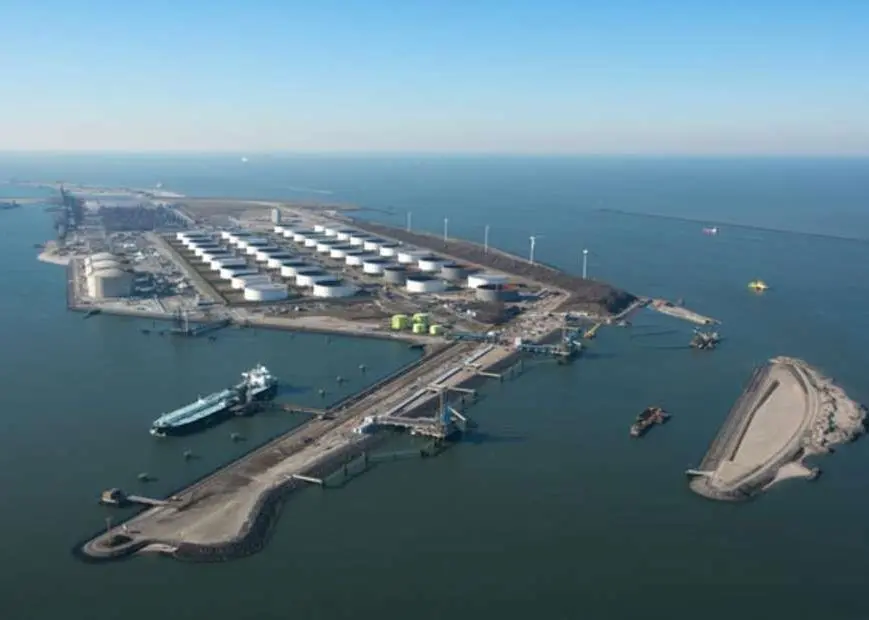
As the Port of Rotterdam Authority aims to take the lead on innovative and green practices, they are pioneering the commercialisation of LNG into the global market. The Port Authority and partners have been working towards a complete supply chain for LNG as a fuel since 2011, positioning the port as a leader in the steadily rising market. In 2015, the throughput of LNG through the Gate terminal increased for the fourth year in a row where 49 ships were loaded and unloaded by customers of Gate. In 2014, this number was 34 vessels.
The rising demand and upward trend in the number of LNG ships may in part be due to the introduction of stricter emission regulations in the SECA region. LNG is viewed as a greener fuel alternative for shipping vessels by eliminating sulphur emissions and dust, while emitting significantly less carbon dioxide and nitrogen. In other words, when LNG is used as a fuel, fewer polluting substances are emitted. For that reason, vessels using LNG as a fuel comply with the emission standards (SECA) for the maritime sector in the North Sea and Baltic Sea, which were tightened in 2015.
Setting the stage for LNG bunkering
Every year, roughly 11m tonnes of bunker fuel is supplied to vessels in Rotterdam, where every imaginable fuel can be utilised in significant quantities.
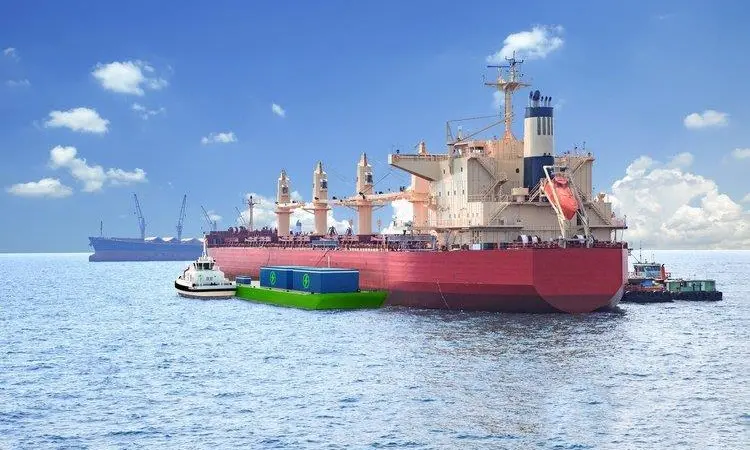
Since the opening of the Gate terminal at the Port of Rotterdam, significant strides have been made to integrate and promote LNG as a fuel, making Rotterdam the leader in Europe for the introduction of LNG as a fuel. For instance, laws and regulations have been created to allow ship-to-ship LNG bunkering of seagoing vessels at the port. At the same time, the port has been creating the necessary infrastructure to support the integration of LNG.
Biofuels added to fuel mix
Similar to LNG, biofuels are well suited for the port of Rotterdam, home to the world’s largest bio-based cluster. All key aspects of shipping including production, trade, storage and throughput can benefit from biofuel alternatives; however, biofuels are not currently a commercial fuel option in the shipping industry. This means that shipping is missing an opportunity to utilise a potentially price competitive, environmentally friendly fuel option. Second generation biofuels now aim to be ‘drop in’ substitutes, using exactly the same handling equipment and infrastructure as traditional fuels.
In a joint statement, the chief executive of the Port of Rotterdam, Allard Castelein and chief executive of the Port of Amsterdam, Dertje Meijer said: “We embrace the vision of next generation biofuels supporting a more sustainable future for global marine transport. In addition we see marine biofuels as a potential building block to boost the bio-based production and economy in our respective ports.”
GoodFuels Partnership Pilot Programme
GoodFuels Marine and its partners Boskalis and Wärtsilä have launched a pilot programme to accelerate the development of truly sustainable, scalable and affordable “drop in” marine biofuels for the shipping industry where vessels can bunker the biofuels quickly and efficiently. Dirk Kronemeijer, chief executive of GoodFuels Marine, stated: “We believe that the international shipping market is now ready and well-placed to embrace truly sustainable, long term alternative fuels that can meet all stringent technical, economical and sustainability standards.” The programme’s focus will be on identifying and delivering sustainable feedstock, securing industry certification, and setting the stage for large-scale production.
Rotterdam fuelling the future
The Port of Rotterdam is setting the stage for diversifying the commercial fuel market by providing sustainable fuel options for the shipping industry. From creating laws, establishing infrastructure needs and piloting innovative programs, the Port of Rotterdam is preparing the world for the future of fuels.
Related Articles
 ALTERNATIVE FUELS GREENPORT
 ALTERNATIVE FUELS GREENPORT
 ALTERNATIVE FUELS GREENPORT