




Lithuanian LNG terminal makes progress
The Lithuanian National Commission for Energy Control and Prices (NCECP) has agreed the rules for the first Baltic LNG terminal, making it open to the global gas supply market.
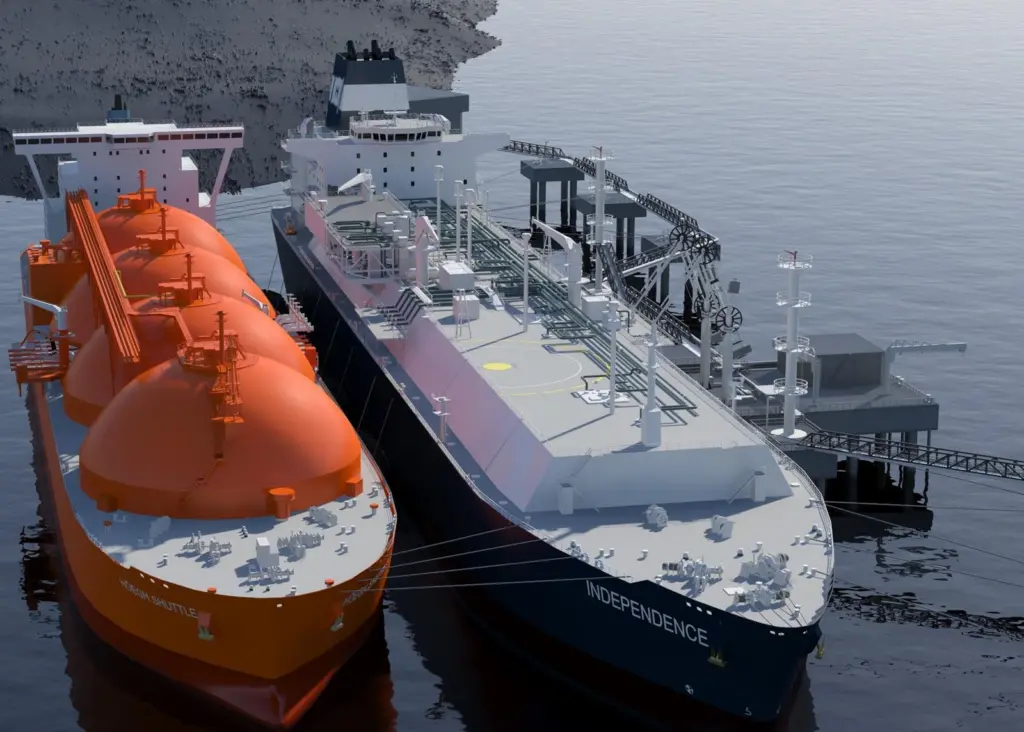
The rule, which are the final step of the LNG terminal business model consolidation, set out how the LNG terminal will provide regasification and small scale LNG services. They are in line with best European practice and based on worldwide terminal operator’s experience.
Rokas Masiulis, CEO, SC Klaipedos Nafta, the LNG terminal operator, said: “The importance and complexity of this document (the rules) is just as important as the construction of the entire terminal including FSRU (floating storage regasification unit) vessel, because without rules the terminal cannot be operated or its’ capacity allocation process started.”
Any client will be able to book the capacity of the LNG terminal for LNG regasification and supply of gas to Lithuania and other countries, as well as small scale activities like LNG ship bunkering.
“In addition, we announced a voluntary capacity booking market consultation to maintain maximum transparency and attractiveness of the future terminal’s users who have had the opportunity to comment or advice before the final rules where prepared,” he added.
The first contracts are expected to be signed by July. The terminal website will publish the terminal’s up-to-date capacity.
After regasification in the FSRU, gas will be supplied through the natural gas transmission system, operated by SC Amber Grid, to the users. The loaded LNG to LNG bunkering ships or smaller LNG gas carriers will continue to be transported to neighbouring ports.
The terminal will begin operating at the end of this year. As the first Baltic LNG terminal, it is expected to open the gate to the global market and help to “diversify energy sources”.
Related Articles
 ALTERNATIVE FUELS GREENPORT
 ALTERNATIVE FUELS GREENPORT
 ALTERNATIVE FUELS GREENPORT